Planning Team & Collaborators
The Inkpaduta Canoe Trail is guided by an innovative team of individuals that brings together diverse expertise from across Iowa and beyond to ensure comprehensive and inclusive water trail development.
-
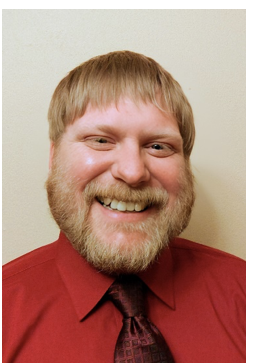
Greg Johnson
Greg was born and raised in Cherokee, Iowa along the Little Sioux River. This is where he gained his passion for the natural and cultural resources of the river valley.
Johnson graduated from Iowa Lakes Community College with an Associate’s Degree in Environmental Science then obtained his Bachelor’s Degree from South Dakota State University in Rangeland Ecology and Habitat Management.
Greg worked for Cherokee County Conservation Board for 5 years as a Conservation Technician after college, mainly working on habitat restoration projects and maintaining the parks that the County controlled.
Johnson has been the Director of the Buena Vista County Conservation Board since 2015, where he has continued to promote and help improve the natural and cultural resources of the Little Sioux River Valley.
-
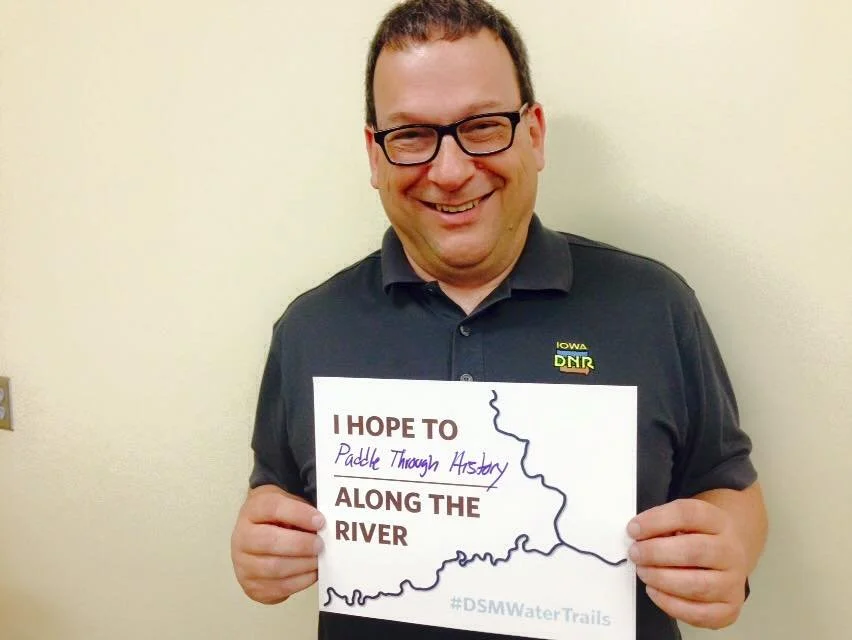
John Wenck
For the past 16 years, John has served as a dedicated advocate for Iowa’s waterways, working tirelessly with river communities to improve physical accessibility and foster a deeper public appreciation for the state’s perennial streams. His mission is rooted in the belief that rivers are not just geographical features, but vital cultural and recreational corridors.
John’s journey as a river steward began on an early morning kayak trip north of Des Moines in October 2004. Despite being a lifelong Iowan, that single outing transformed his perspective, making him feel as though he was discovering his home state for the very first time. This epiphany spurred years of dedicated volunteerism and advocacy, eventually leading to a professional transition in October 2010.
In his current role with the Iowa Department of Natural Resources (DNR), John coordinates the planning and development of water trails across the state. His work bridges the gap between technical data and recreational experience; he manages the GIS data for the river programs section while simultaneously serving as an American Canoe Association (ACA) instructor. Through the ACA, he shares his technical expertise by teaching paddling classes to naturalists and trip leaders.
Beyond the technical aspects of trail development and data management, John is a passionate historian of the water. He finds great joy in researching the evolving relationship between people and rivers, and he is a natural storyteller who thrives on sharing the rich, often untold histories that Iowa's rivers have to offer.
-
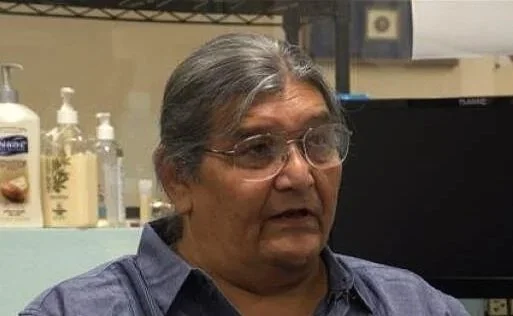
Garrie Kills-A-Hundred
Just minutes after 6:00 am on Monday, December 14, 1953, Garrie Raymond Kills A Hundred was born to Henry and Margaret in Pine Ridge, SD. Garrie took his first steps in life being raised on a ranch in Red Shirt Table outside of Hermosa. From the east side of the ranch, you could see the Badlands, from the west side you could see the fossils, rose quartz as well as the Black Hills. It was here where he learned how to work, how to live, and how to eat. He chose mining as his trade, working at the Home State Gold Mine in Lead, SD. He later transferred to the Midnight Mines on the Spokane Indian Reservation near Spokane, WA. After his father’s death in 1983, he traveled and worked for various companies trucking goods through the Rocky Mountains, before returning home to mine pipestone from a quarry in Pipestone, MN. When the Flandreau Santee Sioux Tribal Historic position became available, he applied in hopes that his work could help unite tribes. It is a position he’s held since 2015. The unification of tribes across the United States is paramount to finding solutions of the problems that have surfaced in our society.
-
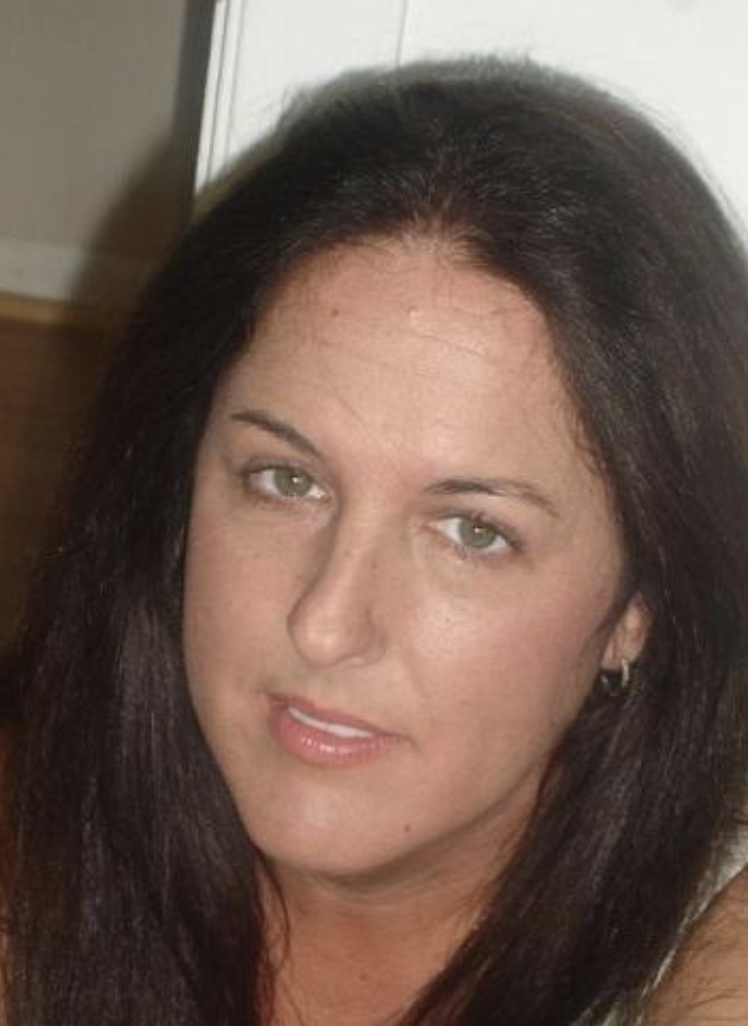
Sara Childers
Born on an Air Base in Frankfurt Germany and at the age of 5 moved to Iowa. It was in Davenport Iowa that I met my future in laws who were enrolled members of the Santee Sioux Tribe of Nebraska but had made their home in Davenport. Here my mother-in-law instilled in me my lifelong work and love of research into Dakota history. She asked me to find archives with her Dakota ancestors names on them. Using what I learned from my parents skill set in genealogy and how to find historical archives I was off and running.
As the Assistant Preservation Officer at the Flandreau Santee Sioux Tribes Historic Preservation Office, I bring years of Dakota History knowledge to our office. Background research is a daily aspect of my work with FSST THPO specifically while completing 106 federal reviews. Our office is responsible for the identification, evaluation, protection, and preservation of historic and archaeological resources throughout FSST’ entire Dakota traditional lands in the United States.
FSST THPO believes that place matters not only to our office but to our relatives throughout the United States and Canada. Our goal is always to educate those who want to learn about Dakota history and find positive and unique ways in reaching that goal.
-
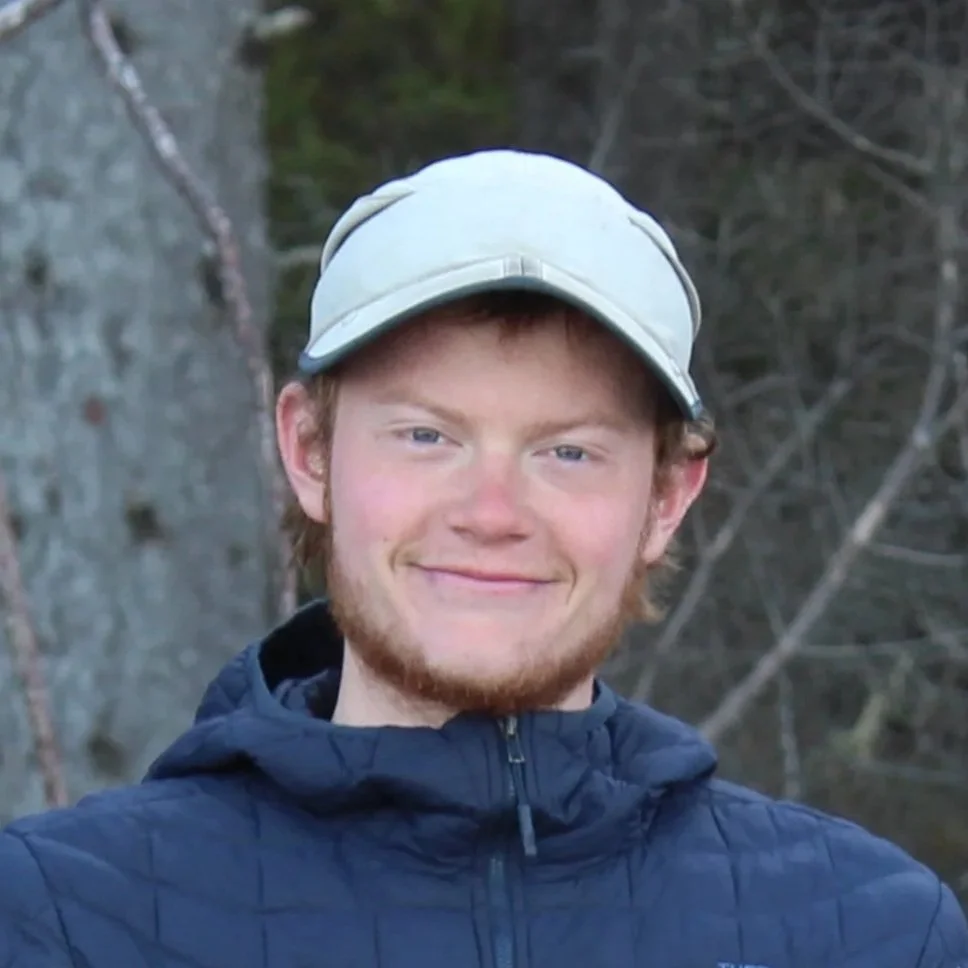
Jordan Barry
Jordan Barry is a recent graduate of the University of Iowa where he received a BA in both Anthropology and Journalism. He is currently working for the Iowa DNR Water Trails Program as a marketing specialist and event coordinator for the Inkpaduta Canoe Trail. He helps lead and organize events along the water trail and is the primary website manager for inkpadutacanoetrail.org.
As an avid outdoor recreator, Jordan is fortunate to have access to a plethora of trails near Iowa Lakeside Laboratory, where he lives. Jordan is grateful to be a part of this project and very excited to listen, learn, and help foster community along the Little Sioux River.
-
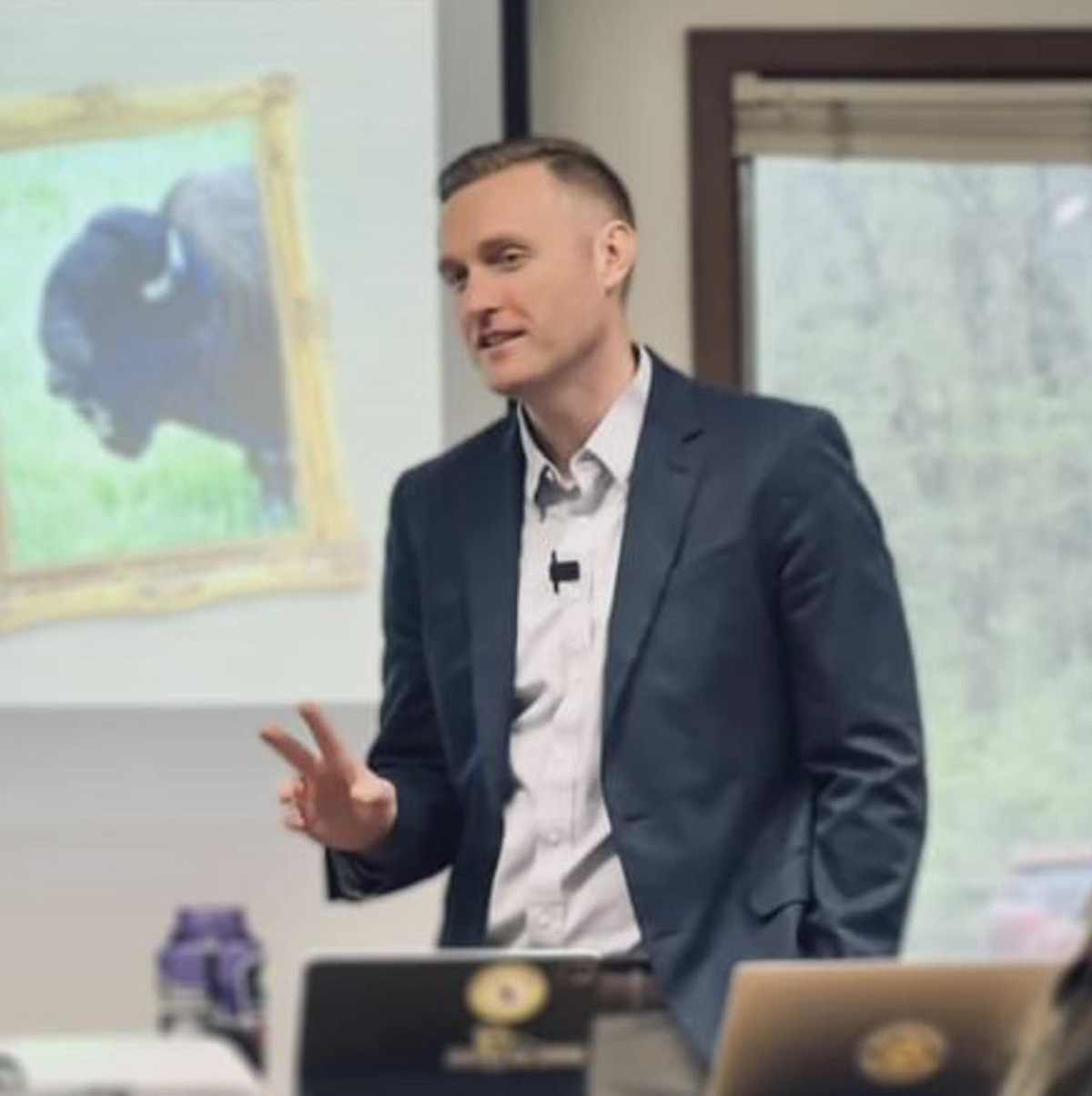
Dr. Kevin Mason
Kevin Mason is a rural and environmental historian of the American Midwest. After earning his PhD at Iowa State University, he served as an Associate Professor of History at Waldorf University. Mason will join the University of Northern Iowa in fall 2025 as an Assistant Professor of History. Mason also runs the digital humanities project Notes on Iowa, serves on the Board of Directors for Humanities Iowa, and serves on the Board of Trustees for the State Historical Society of Iowa. An award-winning author, Mason's forthcoming book on Iowa's human and environmental history is due out on Michigan State University Press in 2026.
-
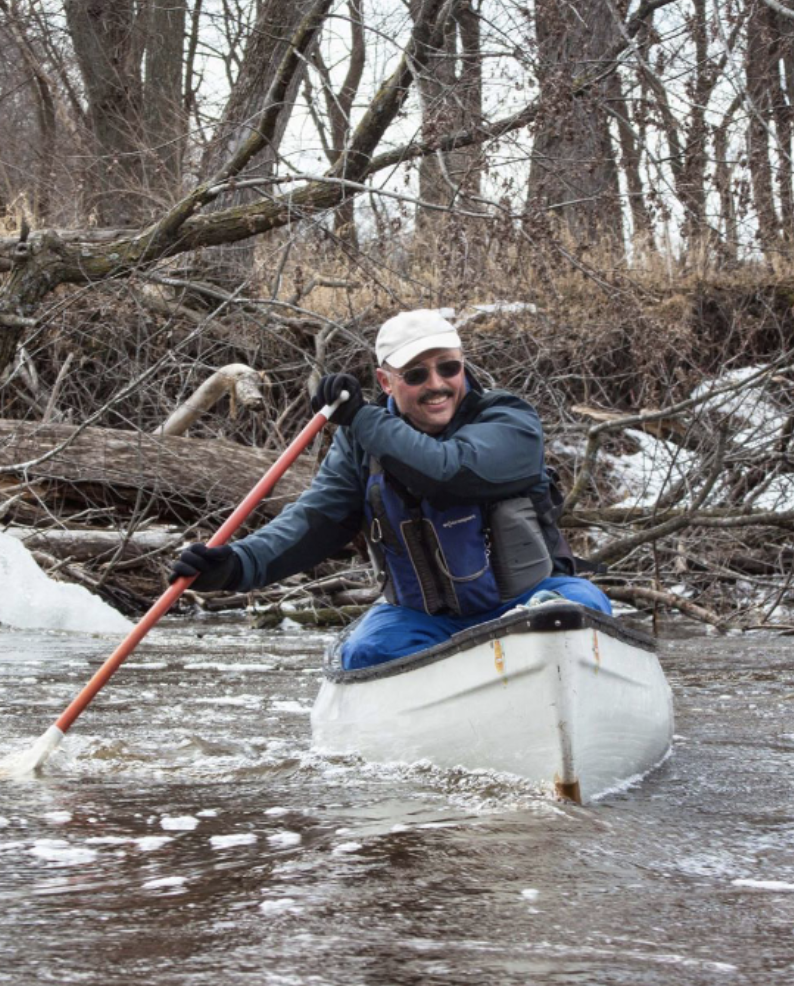
Rick Dietz
Rick Dietz retired from the City of Ames Electric Services in 2015 and volunteers for many organizations including Prairie Rivers, Story County Conservation, the Story County Sheriff’s Dive Team, N-Compass and Project AWARE, the Iowa Natural Heritage Foundation, the Iowa Wildlife Center, STAR 1 Search and Rescue, and the Iowa Department of Natural Resources Rivers Program.
He Attended Iowa State University (majoring in Horticulture) after getting an Associate Degree in Electronic Engineering Technology. His interest in prairies began as a volunteer at the Neal Smith National Wildlife Refuge. Rick is a member of the Panora Conservation Chapter of the Izaak Walton League and the Iowa Environmental Council, a Recipient of INHF’s Hagie Heritage Award (2020), the Olav Smedal Conservation Award, and an IOWATER Volunteer of the Year Award (both in 2006)His public service includes serving in the Army National Guard from 1988-1993.
Rick and his wife Carol Hansell, both Iowa natives, live just north of Ames where their home overlooks prairie, woodlands, and the Skunk River Valley.
-
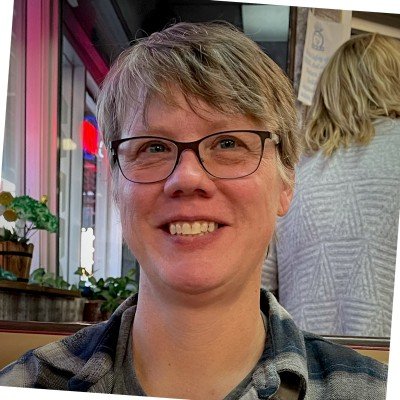
Amy Crouch
With over 20 years in conservation, Amy has learned that it is as much about people as it is about land and water. Today, as Little Sioux Project Director for The Nature Conservancy, Amy leads efforts to protect and restore the Little Sioux River Watershed in northwest Iowa—work that blends science, collaboration, and a deep respect for community. Amy’s focus is turning big ideas into tangible outcomes: advancing conservation initiatives, building partnerships that last, and addressing land management challenges with creativity and care. Amy thrives on connecting stakeholders—private landowners, local leaders, and partners—around shared goals for clean water and resilient ecosystems.
-
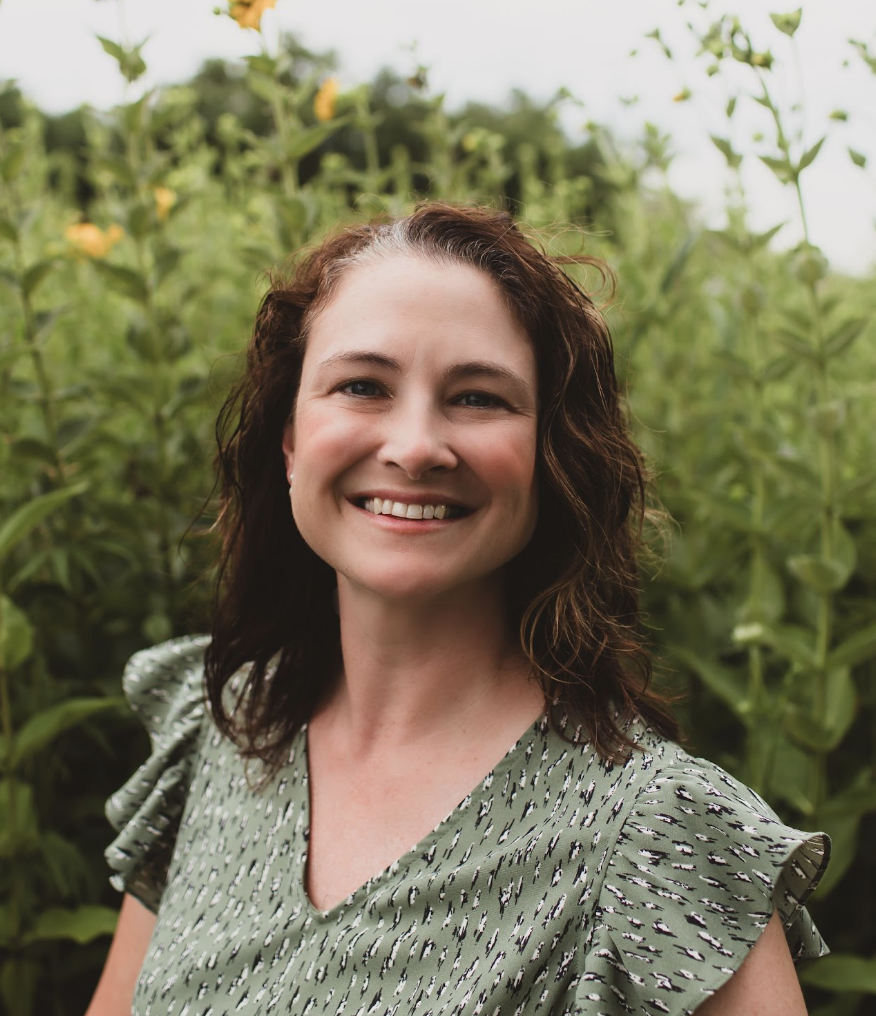
Andrea Boulton
Andrea, a Drake University graduate (BA & MPA), believes that the outdoors and greenspaces are a vital element to all vibrant communities- some just don’t realize how much their daily routines include a connection to nature. No two days are ever the same as she spends her time either helping small towns work together to create multiuse trails as links between schools, parks, and neighborhoods OR building coalitions among agencies and organizations to leverage natural spaces to address larger community priorities. When not finding ways to bring people and nature together, Andrea spends her time with her husband, Nate, and her two young daughters exploring National Parks and relaxing with friends.
-
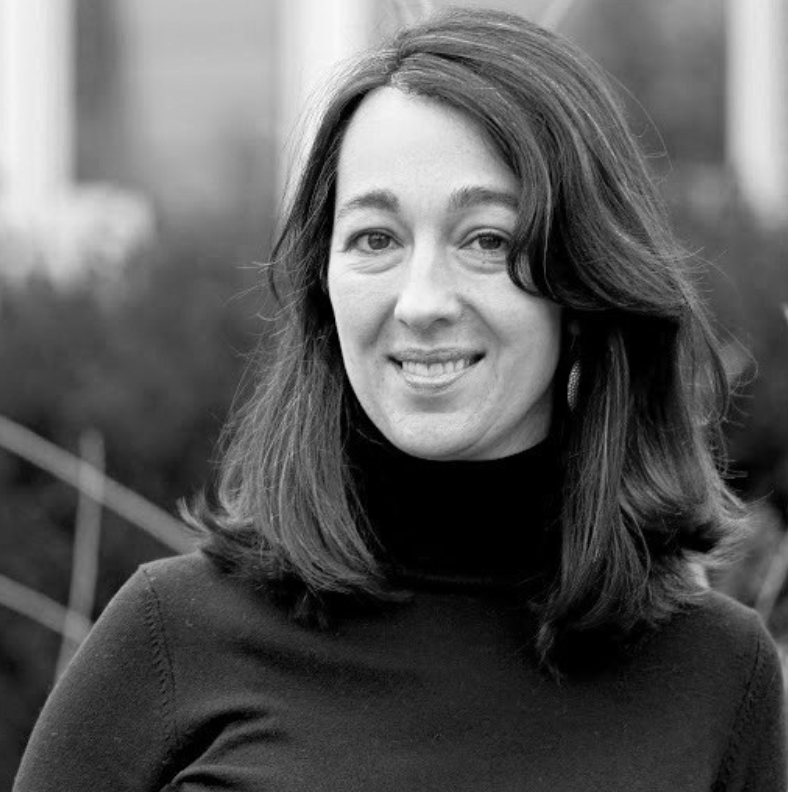
Teva Dawson
Founder/Director, Group Creative Services
Teva Dawson began her career path of invention by designing her own major in Environmental Education from Drake University, which led to the creation of Des Moines’s first Community Garden Program and Greater Des Moines’ first Water Trails and Greenways Plan. Teva invested 20 years fostering regional government collaboration, implementing civic engagement and integrated planning with cities around the themes of parks, transportation, resiliency and health. Teva founded Group Creative Services in 2018 to advance the role of artists in addressing community needs.
-
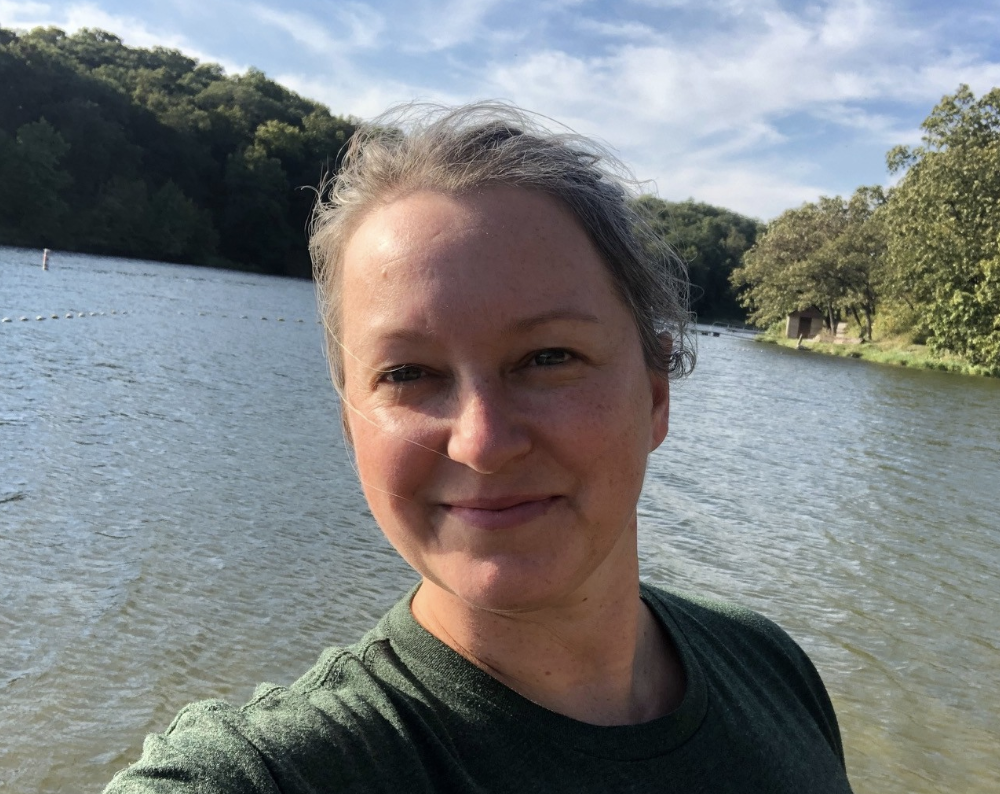
Dr. Claire Hruby
Claire Hruby has a diverse background in geology and environmental science. She received a B.A. from Wesleyan University in Connecticut, where she studied magma genesis of volcanoes in the Aegean Arc, Greece. She received a Masters of Science from Iowa State University’s Department of Geological and Atmospheric Science, where she studied geophysics. Claire taught geology as an adjunct instructor at both Drake and Grinnell College in 2002 and 2003. In 2003 she joined the Iowa Department of Natural Resources (DNR) as a geologist, working on assessment of risks to water resources from animal feeding operations and waste storage structures. In 2010, she returned part-time to Iowa State University as a doctoral student in the Environmental Science Graduate Program. Her Ph.D. research was on the fate and transport of nutrients and bacteria from poultry manure application on corn. While working at Iowa State, she also taught a course on the Impacts of Agriculture on Water Quality. After receiving her degree, she remained at Iowa DNR until 2023, working on mapping, supporting river restoration and stream mitigation planning, coordinating the ambient groundwater monitoring program, testing for pathogens at beaches, and conducting statewide PFAS testing at public water supplies.
-
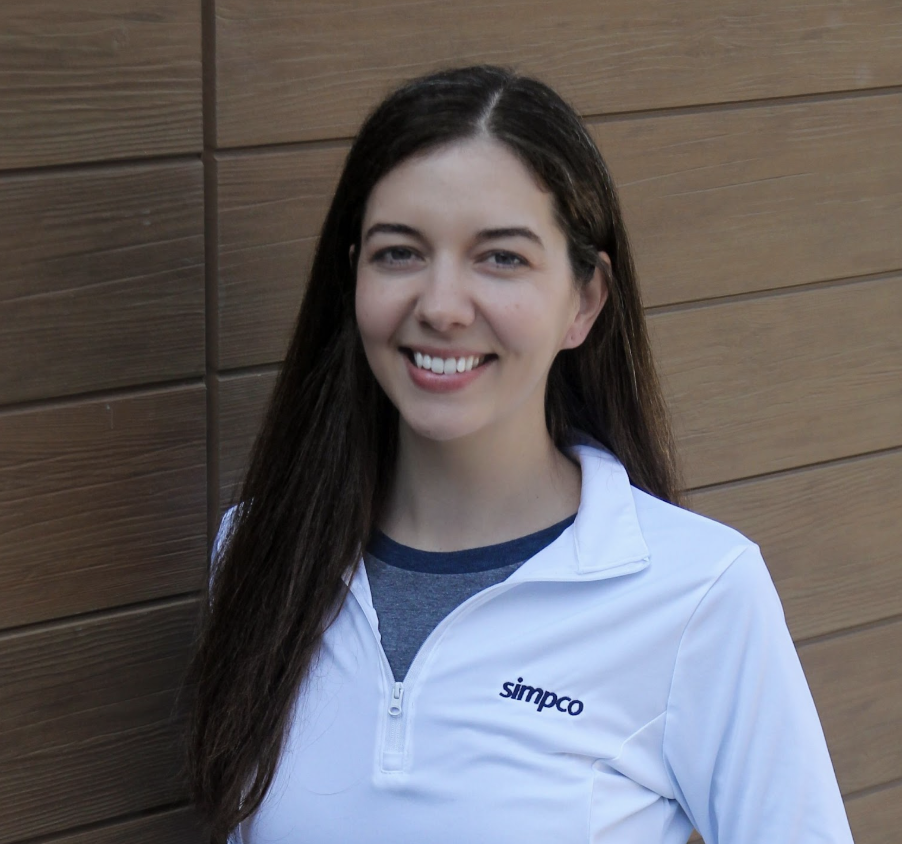
Corinne Erickson
Corinne Erickson is the Regional Planning Manager at the Siouxland Interstate Metropolitan Planning Council (SIMPCO), serving the Siouxland Tristate area. She graduated from the University of Illinois Chicago (UIC) in 2021 with a Master’s degree in Urban Planning and Policy, specializing in Environmental Planning. Prior to that, she earned a B.A. in Environmental Studies from the University of Michigan in Ann Arbor.
Corinne currently serves on the Environmental Advisory Board for Sioux City and represents SIMPCO on Sioux City’s Active Transportation Advisory Committee. Through these roles, she strives to contribute to sustainable and resilient community planning.
Corinne lives in Sioux City with her husband, their two-year-old daughter, and two cats. She enjoys spending time with her family, exploring the outdoors, and gardening.
-

Molly Wuebker
Molly Wuebker, OTD, OTR/L, ADAC is a human-centered design consultant and occupational therapist specializing in accessible outdoor recreation. As founder of Uncurbed and Iowa Liaison for the Great Plains ADA Center, she leads innovative initiatives that integrate accessibility, usability, and sustainability. Molly currently directs the Better River Trails Experience Project in partnership with the Iowa DNR, creating evidence-based tools and site designs for accessible, inclusive, and sustainable river trails. Her work also includes co-designing award-winning park planning checklists, launching adaptive sports programs, and conducting accessibility assessments across Iowa. Her practice is rooted in participatory research and guided by the principle: “nothing about us without us.”
-
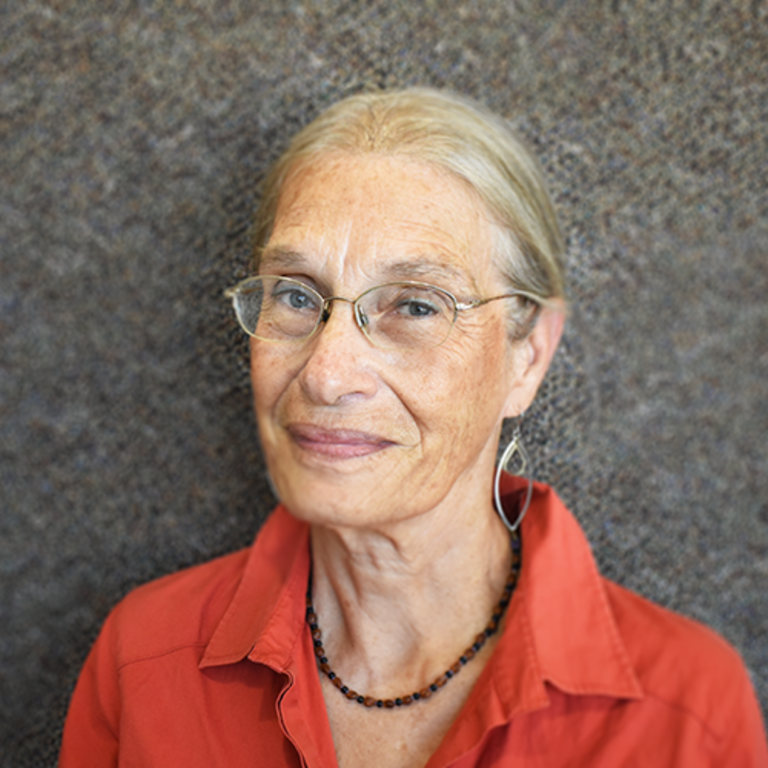
Cherie Haury-Artz
Cherie Haury-Artz received her BA in Anthropology at SUNY Potsdam and a MA in Anthropology from the University of Kansas. She worked in North Dakota, South Dakota, Kansas, and Oklahoma before moving to Iowa, and her focus area is the Great Plains. Her research interests include analysis of fauna from archaeological sites, use and identification of lithic resources, rock art, and environmental adaptation of ancient cultures. She has a special interest in public education and outreach and is certified as a teacher and facilitator for Project Archaeology. Additionally, she has over 20 years of experience teaching classes and writing interpretive content for all ages and audience types. Cherie serves on the Plains Anthropological Society (PAS) Ethics and Inclusion Committee and Board of the Iowa Archeological Society, and she served three years on the PAS Board.
-
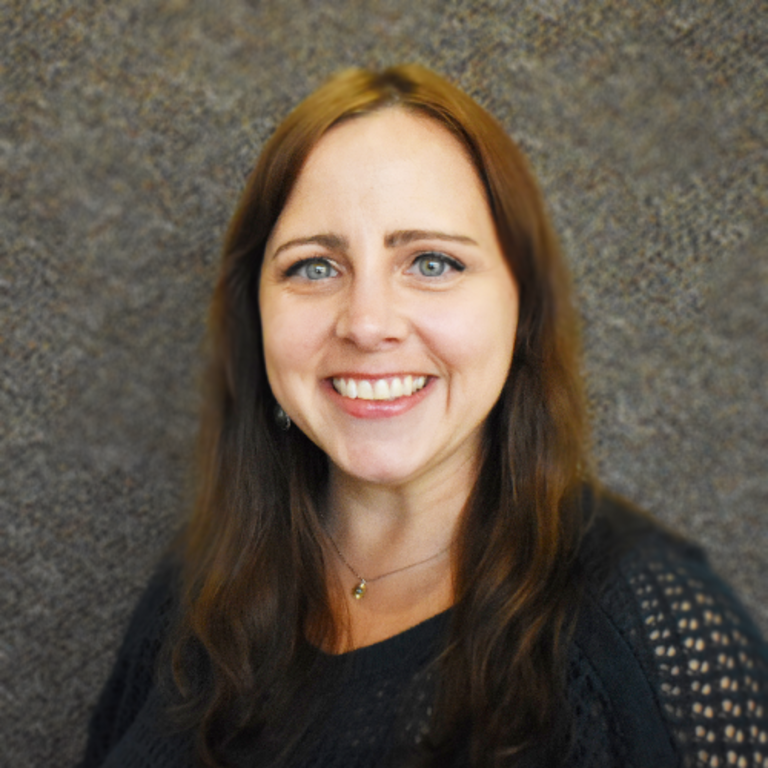
Elizabeth Reetz
Elizabeth Reetz began her career in archaeology in 2000, earned an MA in Landscape Archaeology (National University of Galway), and completed an M.Ed. in Environmental Education (University of Minnesota Duluth) to gain experience in curriculum development, outdoor education, and evaluation and assessment. Formerly a Cultural Resources Management fieldwork director, Elizabeth now focuses on archaeology education, communications, social media, and making archaeology accessible to public and professional audiences. She serves on the Iowa Archeological Society Board of Directors. She completed two terms on the Project Archaeology Leadership Team and as chairperson for the Society for American Archaeology’s Public Education Committee. Recently, Elizabeth achieved her Certified Interpretive Planner (CIP) certification through the National Association of Interpretation, which recognizes her expertise in interpretive planning and experience creating effective interpretive plans for sites and media.
-
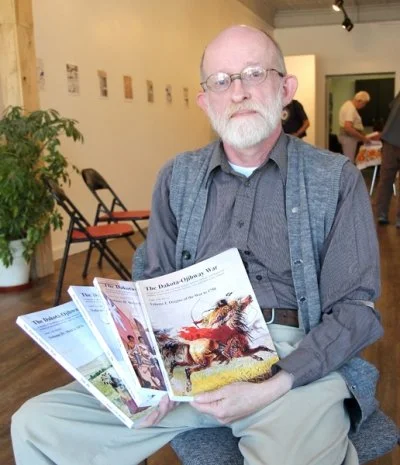
James Ritchie
James A. M. Ritchie is a retired historical consultant based in Manitoba, Canada. As a news reporter or as consultant he has worked with a score of aboriginal communities in central Canada and the
American midwest over 50 years. He is the author of a score of reports for aboriginal local governments on heritage and constitutional issues, and a half dozen historical books primarily on the Dakota meant for educators and general audiences. He was a volunteer consultant on the Inkpaduta Water Trail project and is currently a volunteer advisor on heritage issues with the Dakota Nations of
Manitoba. -
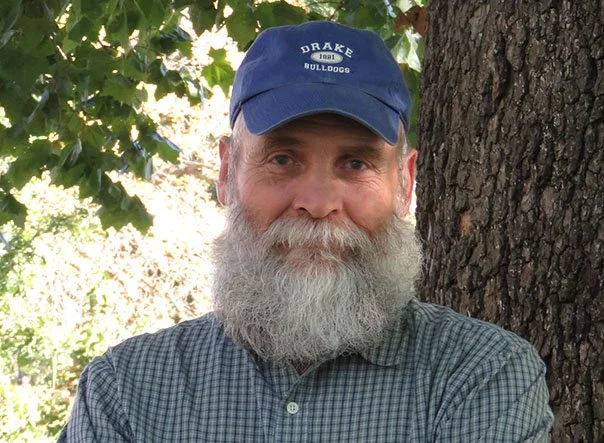
Dr. Tom Rosburg
A professor of ecology and botany at Drake University, Thomas Rosburg has served as president of the Iowa Academy of Science and as a member of the board of directors for the Iowa Chapter of the Nature Conservancy. Winner of the Sierra Club Environmental Educator Award, the Prairie Advocate Award, the Governor’s Iowa Environmental Excellence Award, and many other distinctions, he is also the photographer for many University of Iowa Press publications, including Trees in Your Pocket (2012) and Wildflowers of the Tallgrass Prairie (2010). He has published over 360 images in a wide range of books, magazines, calendars, and brochures, including National Geographic, Sierra, The Iowan, and the American Journal of Botany.
-
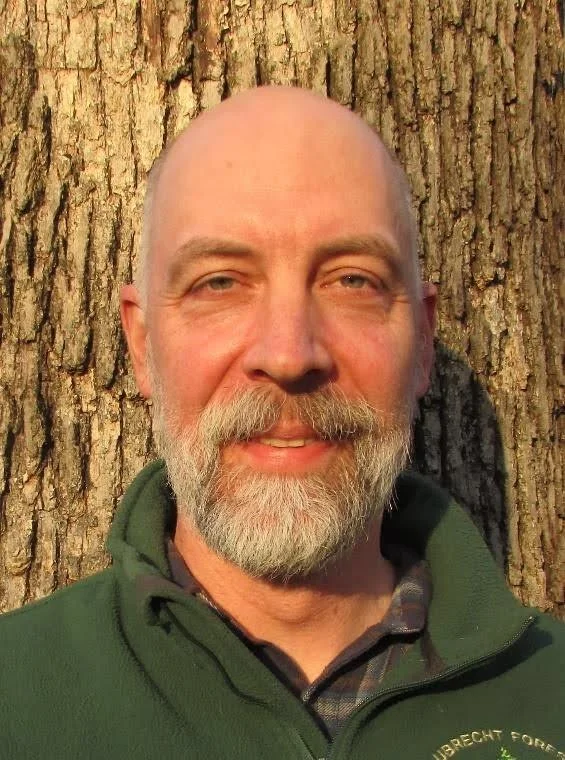
Dr. Pete Moore
Dr. Pete Moore is an Adjunct Assistant Professor in the Department of Natural Resource Ecology & Management (NREM) at Iowa State University, where he leads the Applied Geomorphology Laboratory. He received a B.A. in Geology from Carleton College, and M.S. and Ph.D. degrees in Geology from Iowa State. During his graduate and postdoctoral years, his research focus was glaciology and glacial sediment transport in ancient and modern glaciers around the northern hemisphere. Since joining NREM in 2013, most of Pete’s research has focused on the science and management of rivers and floodplains. He is particularly interested in issues of erosion and sediment transport in river corridors and how sediment affects aquatic ecosystems and water resources. He is currently engaged in several projects aimed at improving the practice and value of river restoration in Iowa. In addition to his research, Pete teaches undergraduate and graduate courses in Forestry, Wildlife and Fisheries Conservation and Ecology, Environmental Science, and Geology. Pete lives in Ames with his wife Lisa and their two teenage boys.
-
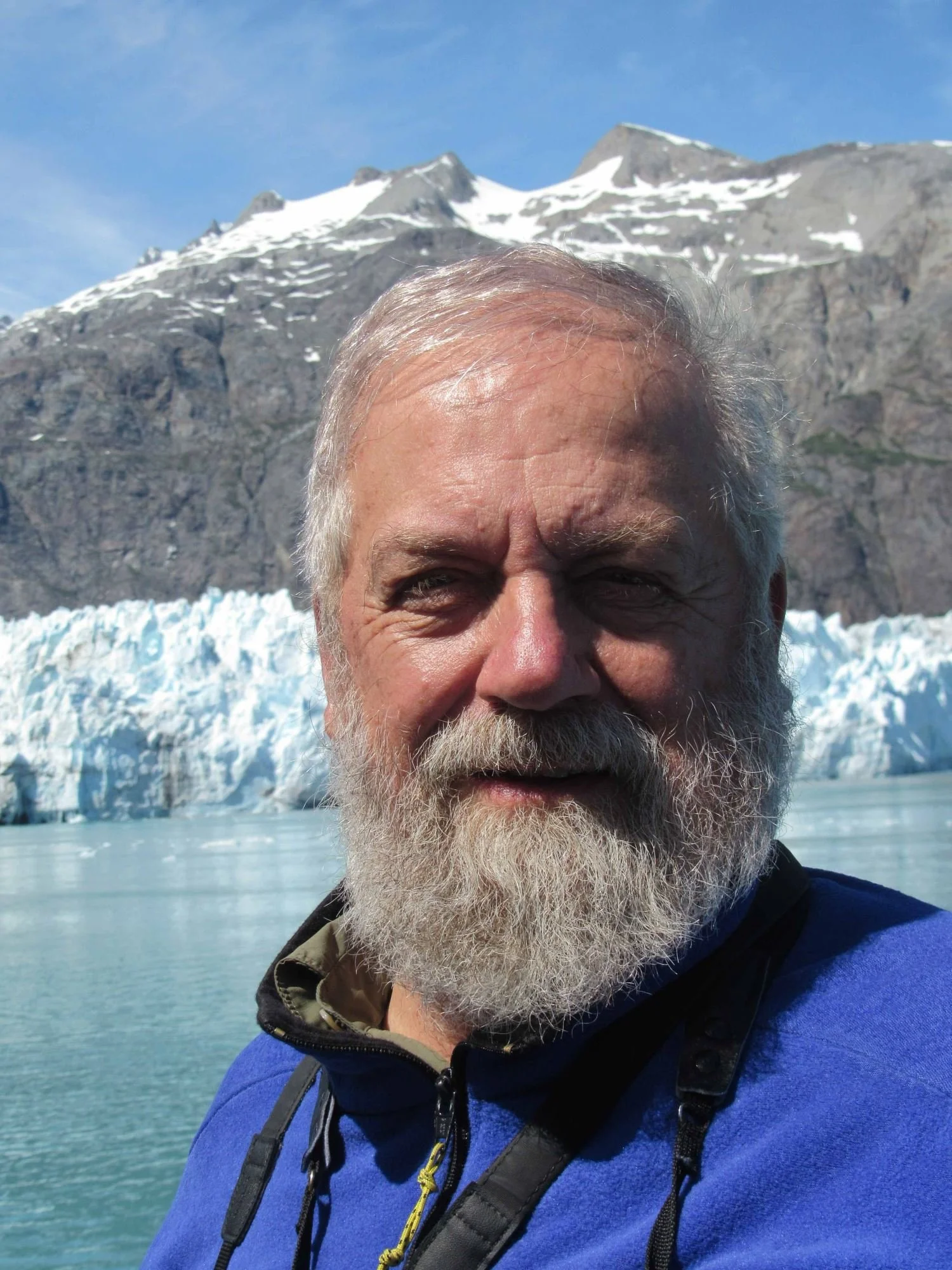
Jim Pease
A native of Burlington, Iowa, Jim Pease has over 5 decades of experience as a front-line interpreter, professor of interpretation, and writer and consultant on many interpretive and environmental education projects. He has taught thousands, from youth through senior citizens, in formal and non-formal settings, written dozens of publications for professionals and lay people alike, and communicated by a regular statewide radio program, TV segments, podcasts, and websites. His experience includes teaching interpretation to undergraduate and graduate students for 24 years, research on impact of interpretive and education strategies, over two decades as an Extension Wildlife Specialist, director of Iowa’s NatureMapping and Master Conservationist programs, and fifteen years in youth development and natural resources. He has taught and conducted projects internationally in Costa Rica, Brazil, Panama, Russia, and Taiwan. He has received numerous awards for his work, including the prestigious Master Interpreter from the National Association for Interpretation, the Distinguished Science Teacher Award from the Iowa Academy of Science, and the Leopold Award for Lifetime Achievement.
-
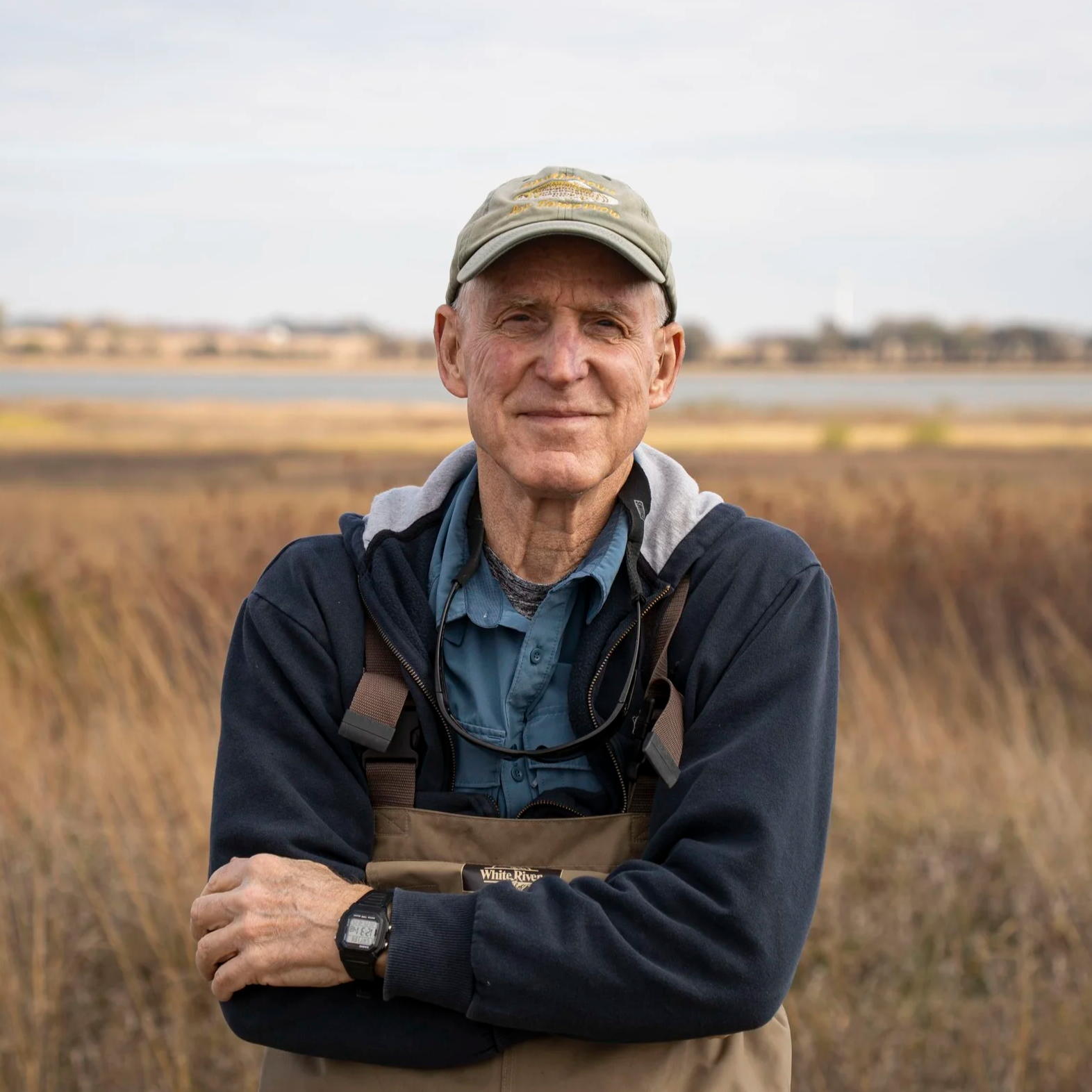
John Olson
John Olson is a native of Red Oak in southwest Iowa; he has lived in Ankeny since 1994. John retired in 2017 after a 30-year career with the Iowa DNR Water Quality Bureau in Des Moines. He has been involved with stream fish survey work in Iowa since attending Iowa State University, where he participated in a statewide survey of Iowa fishes from 1981-1984. He has a degree in Animal Ecology from Iowa State with an emphasis in fisheries biology. John assisted with stream fish surveys while at Iowa DNR, and he continues to pursue his interest in Iowa fishes, especially their distributions, in retirement. Over the last 45 years, he has conducted or participated in over 1,200 fish surveys on Iowa streams and rivers and has published several articles and reports on Iowa fishes.
-
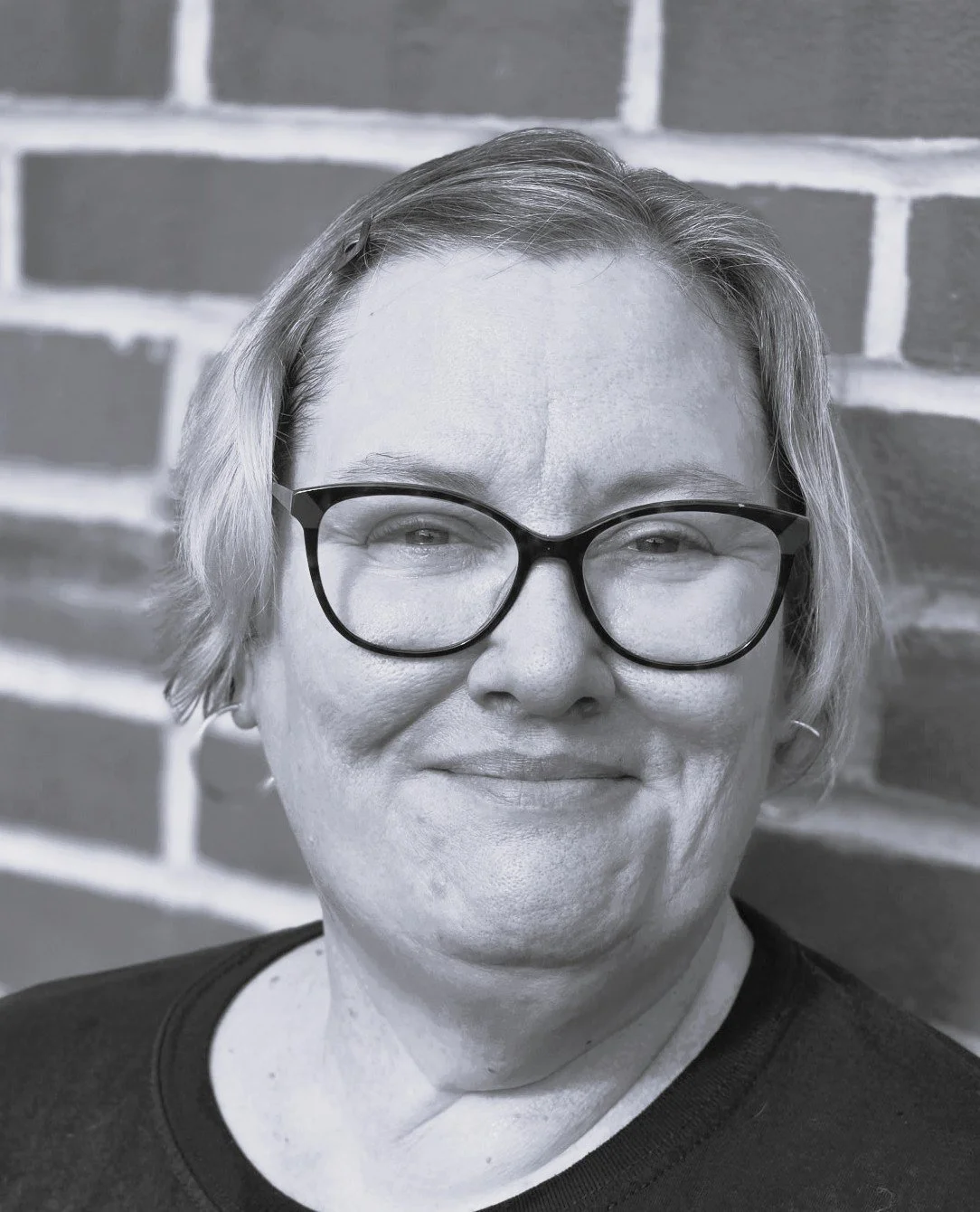
Jenn Kurth
Jen Kurth is a Natural Resources Biologist in the Water Quality Improvement Section of the Iowa DNR where she coordinates the monitoring for the Section 319 watershed projects. She grew up in southeastern Minnesota and has a B.A in Theatre—set design and scenic art and a B.S. in Biology from the University of Minnesota and a M.S. in Ecology and Environmental Science from the University of Maine. Her area of expertise is freshwater mussels. She has worked on everything from fish host studies for several species of mussels, surveys to determine distributions and densities of mussels, translocations of mussels, and developing new methods for tagging and recapturing mussels using Passive Integrated Transponder (PIT) tags, as well as a statewide freshwater mussel survey effort for Iowa and the development of an index of biotic integrity for Iowa mussels.