
Wildlife
By James Pease, John Olson, Jenn Kurth
The Little Sioux River watershed, stretching across northwest Iowa, supports an exceptional diversity of wildlife thanks to its blend of prairie, wetland, savanna, and woodland habitats. This ecological richness reflects the river’s winding path from glacially carved uplands through forested valleys to fertile lowlands.
Historically, large grazers such as bison and elk shaped the region’s prairies, maintaining open grasslands and influencing plant and animal diversity. Today, prairie remnants and restored wetlands continue to provide critical habitat for pollinators, grassland birds, and native plants that once dominated the landscape.
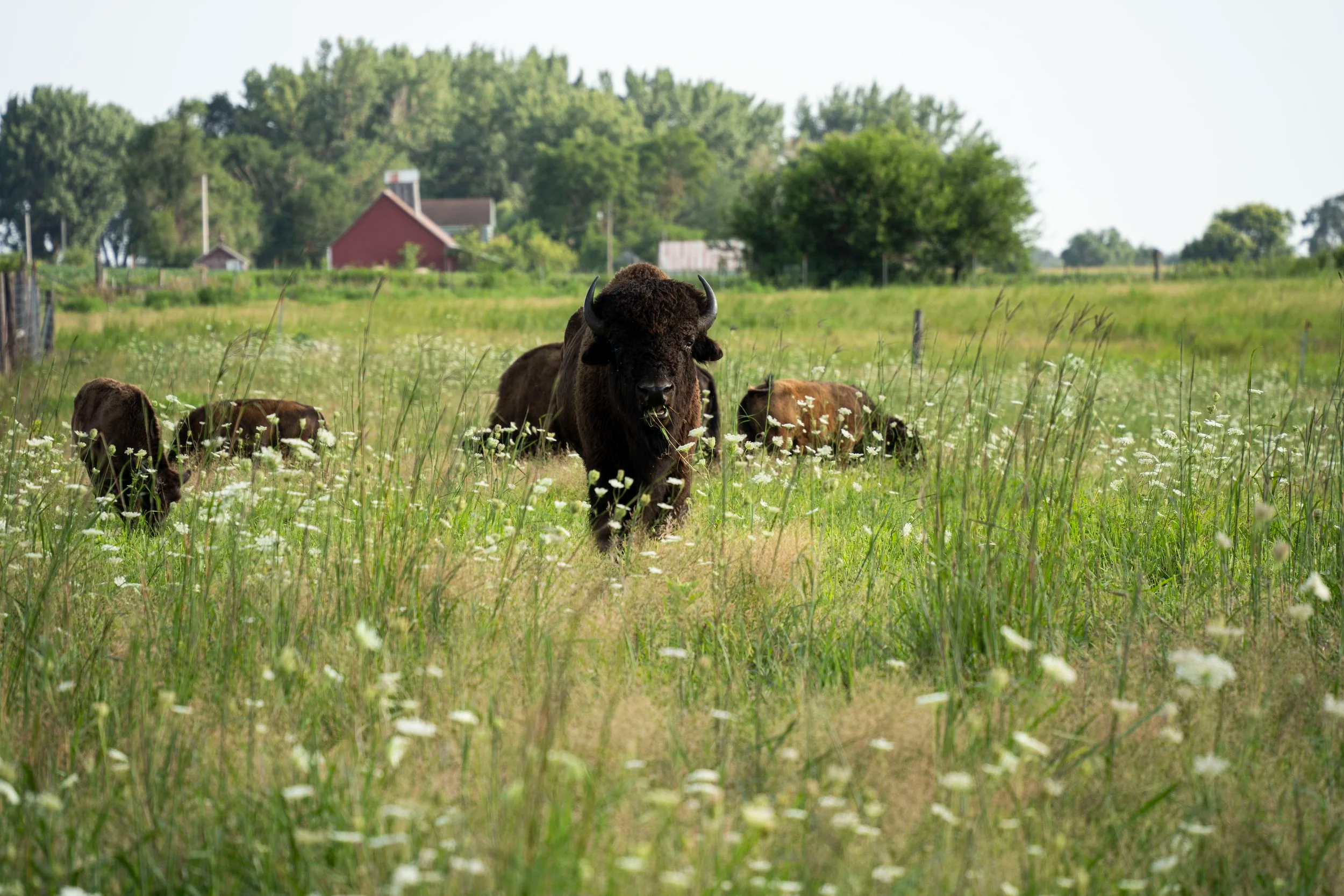
A small Bison herd is managed by the O’Brien County Conservation Board at the Prairie Heritage Center just west of Peterson, Iowa.
(Image: Jordan Barry)
Together, the Little Sioux River watershed remains one of Iowa’s most ecologically significant regions—an enduring refuge for wildlife amid the surrounding agricultural landscape.
Wildlife of the Prairies
Beavers, muskrats, and deer are common along the riverbanks, where beavers build dens and dams to maintain water depth. Paddlers encounter abundant birdlife, including meadowlarks, bobolinks, red-winged blackbirds, pheasants, killdeer, sandpipers, and yellowthroats. Waterfowl such as mallards, blue-winged teal, and Canada geese nest nearby. Rare black terns may be seen in northern reaches.
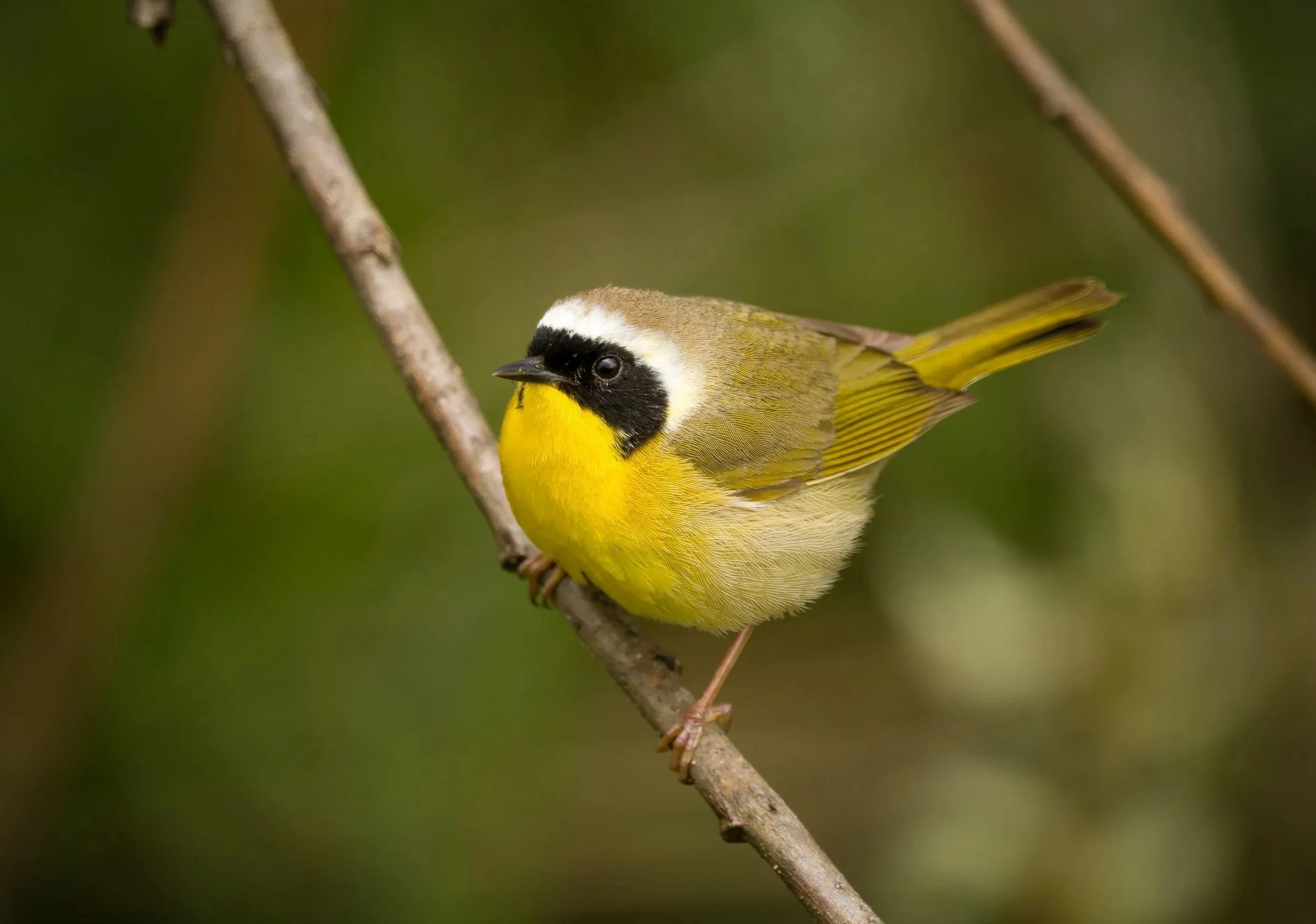
Common Yellowthroat (Geothlypis trichas)
(Image: USFWS Pacific)
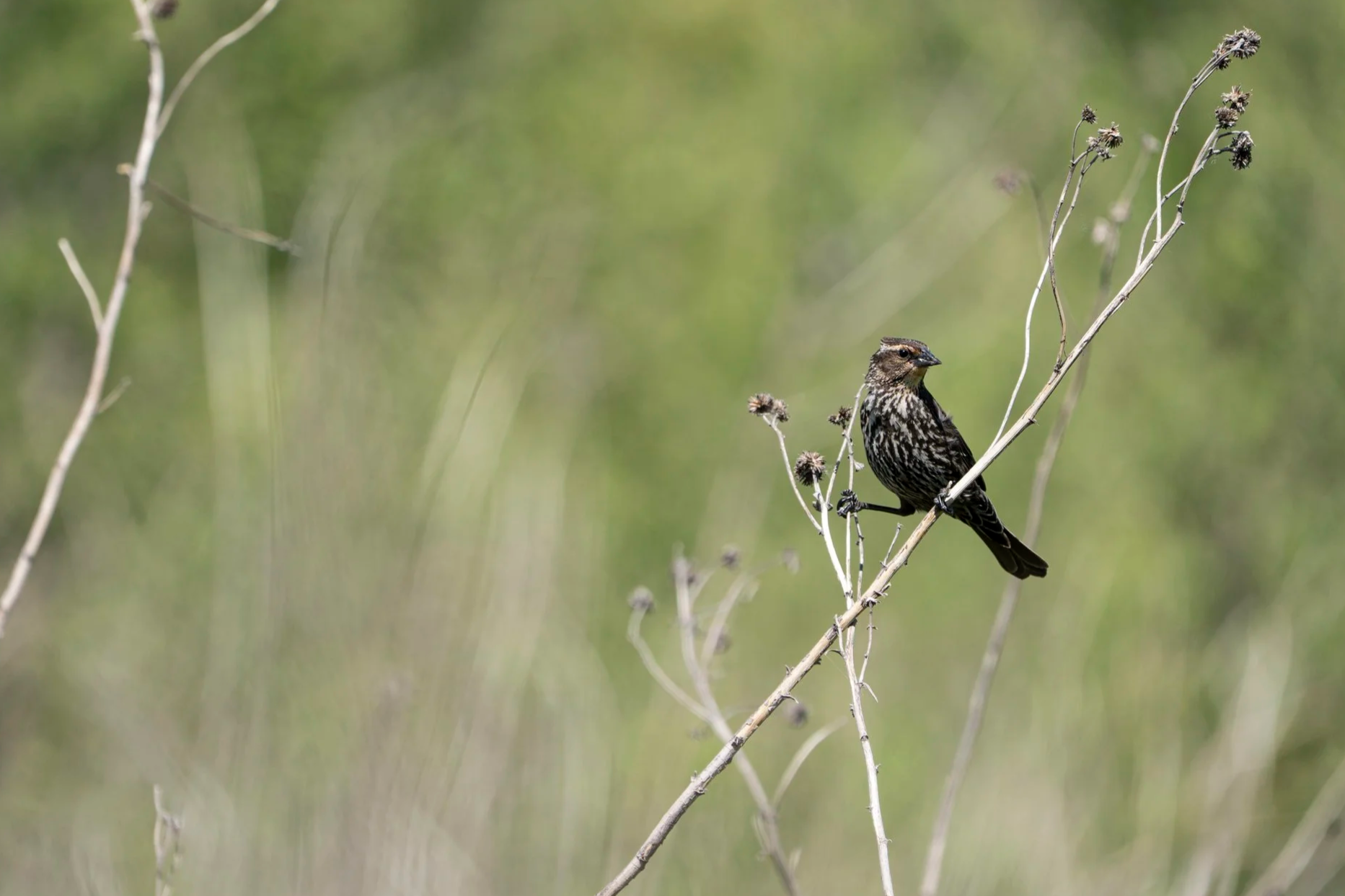
Female Red Winged Blackbird (Agelaius phoeniceus)
(Image: Jordan Barry)
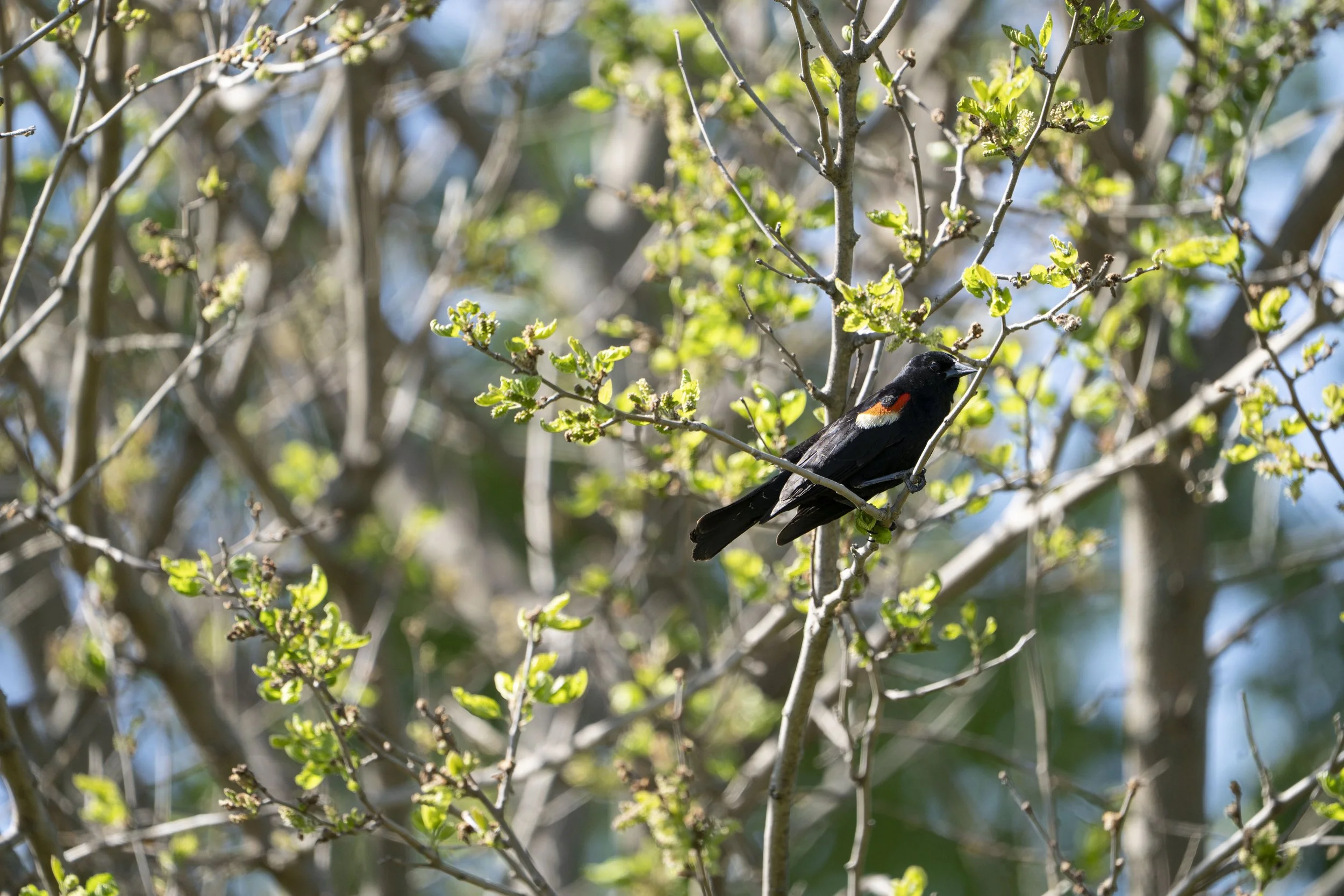
Male Red Winged Blackbird (Agelaius phoeniceus)
(Image: Jordan Barry)
Wildlife of the Savannas
Southward, lowland trees like willows, silver maples and cottonwoods are found along the riverbanks. The rolling hills often have other tree species, especially bur and other oaks. Oaks have thicker, fire-resistant bark which allows them to withstand prairie fires. They also served as shady rest spots for herds of bison, elk, and deer. Those grazers and browsers helped create oak savannas, open areas with scattered mature oaks with large and spreading lower branches. Shrubs such as wild plum and dogwood provide food and cover for birds and small mammals. Red-headed woodpeckers, bluebirds, kestrels, kingbirds, and flickers typify these habitats. Other species include wild turkeys and brown-headed cowbirds, the latter known for laying eggs in other birds’ nests.
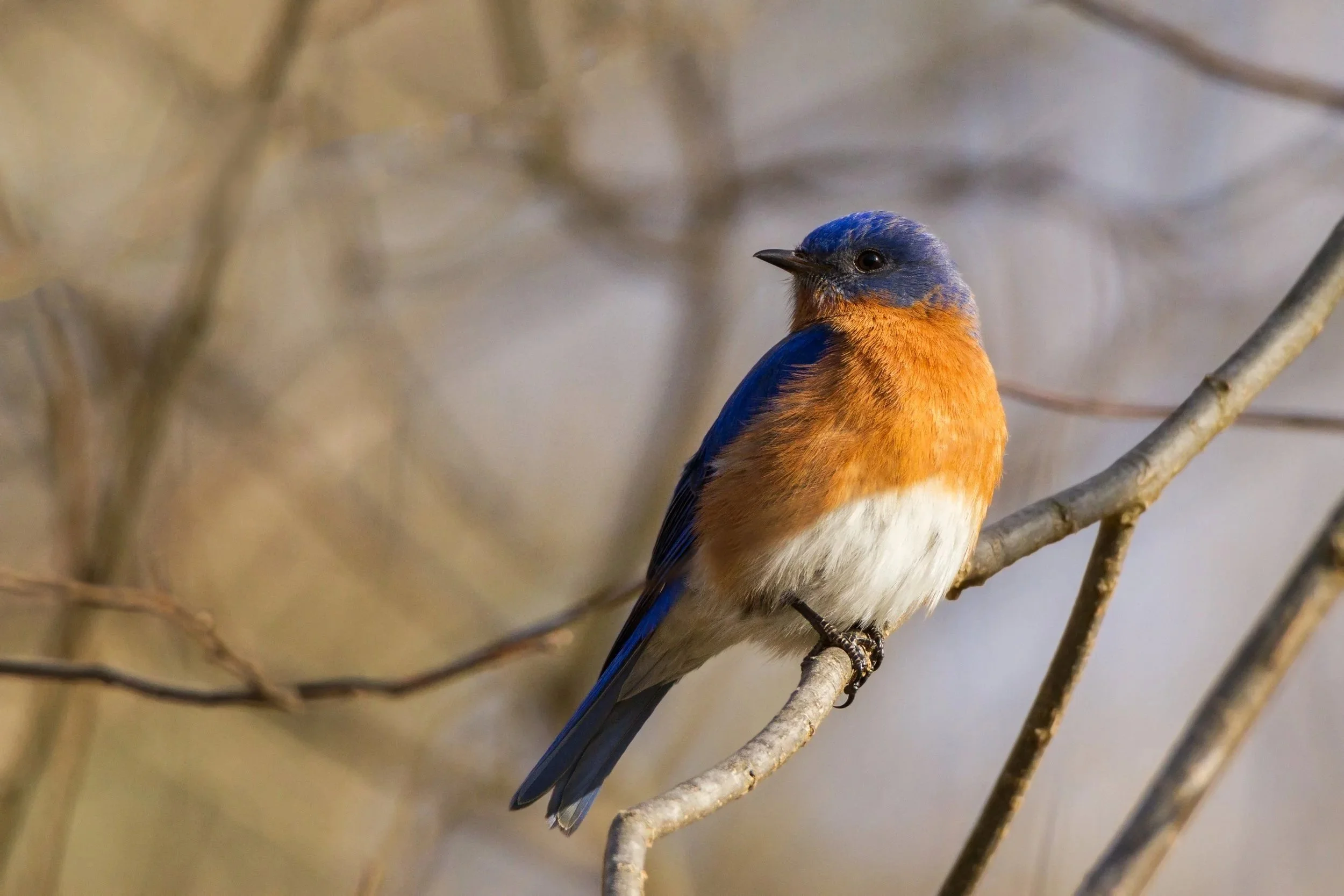
Eastern Bluebird (Sialia sialis)
(Image: Shenandoah NPS)
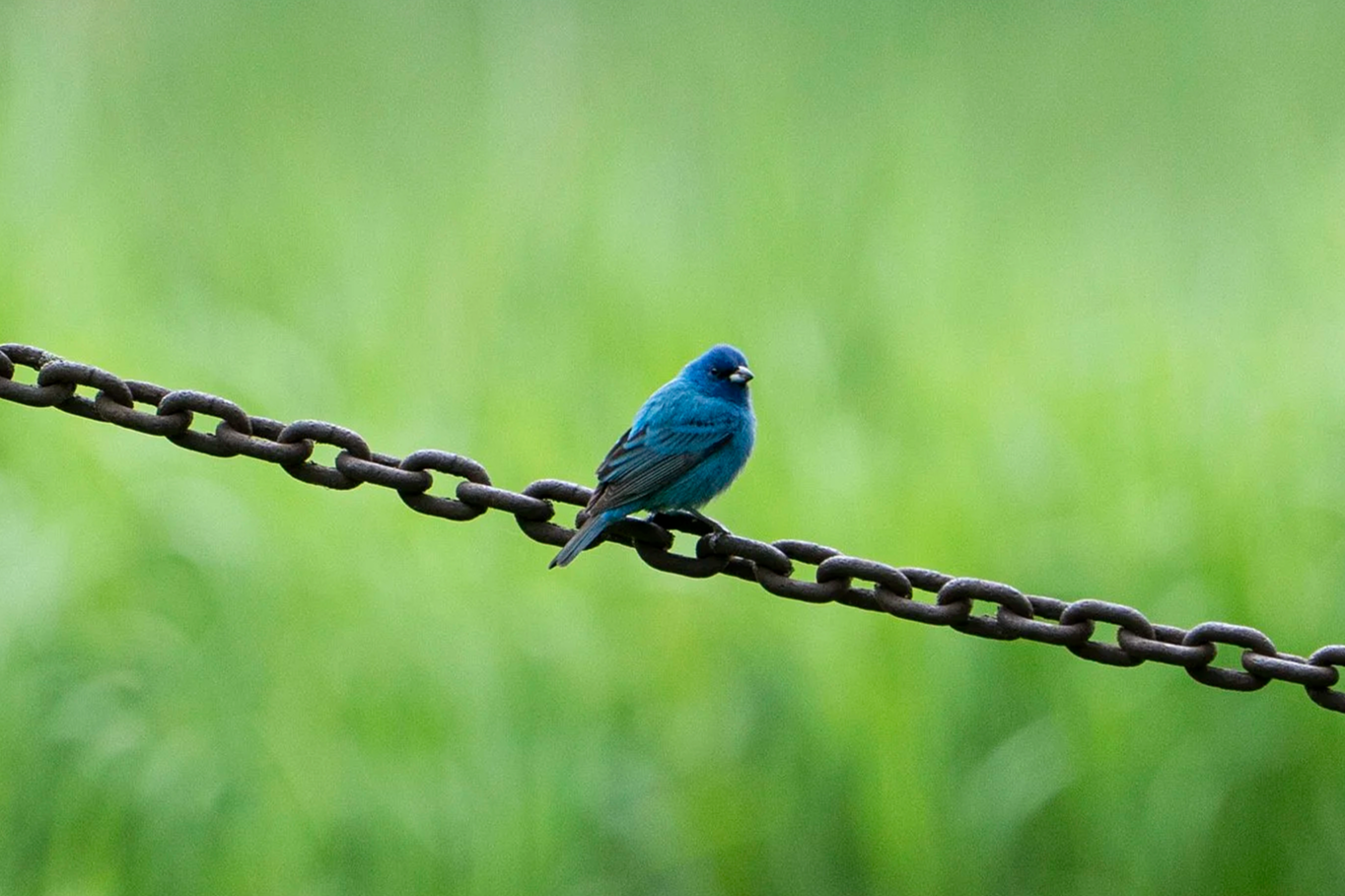
Indigo Bunting (Passerina cyanea)
(Image: Jordan Barry)
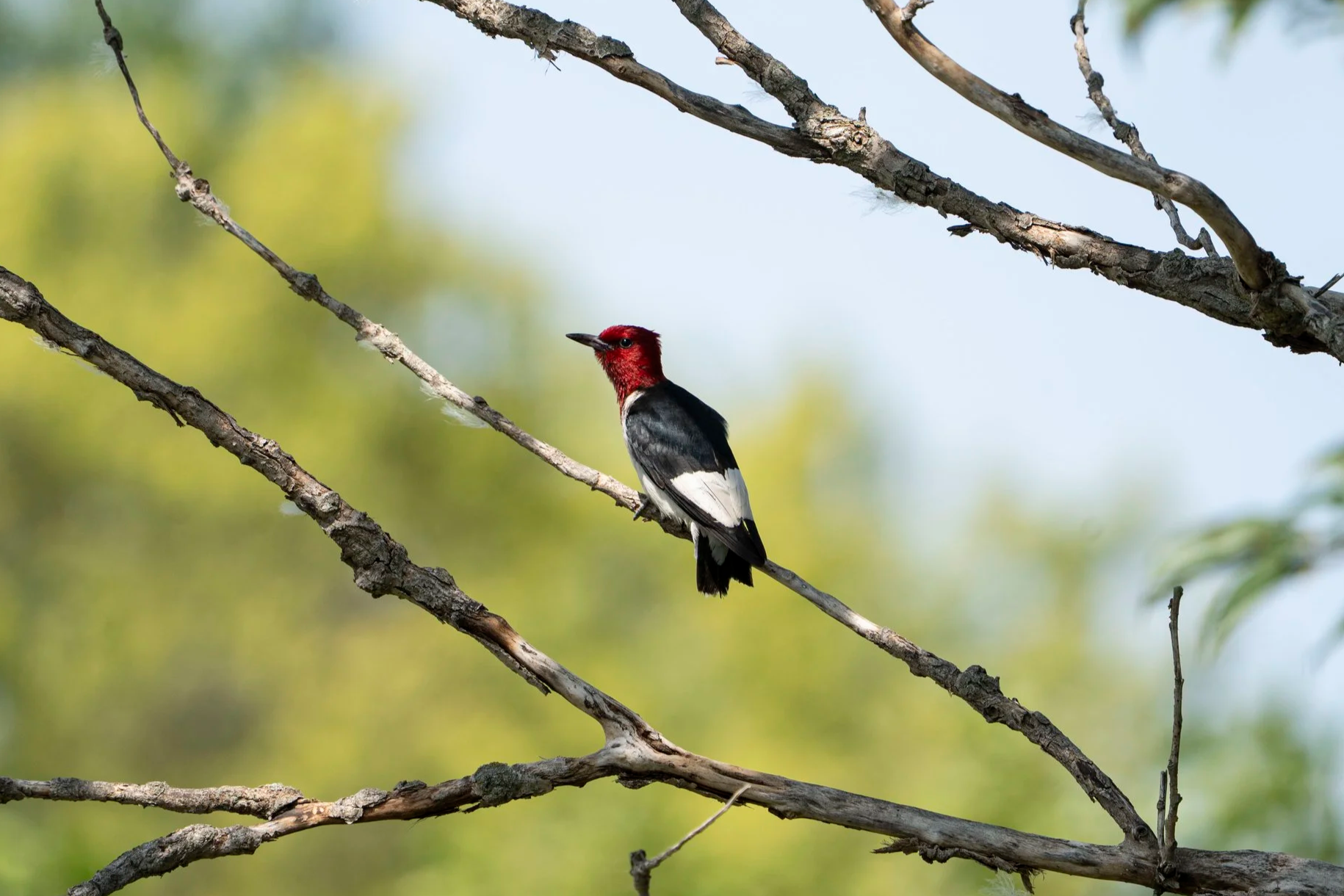
Redheaded Woodpecker (Melanerpes erythrocephalus)
(Image: Jordan Barry)
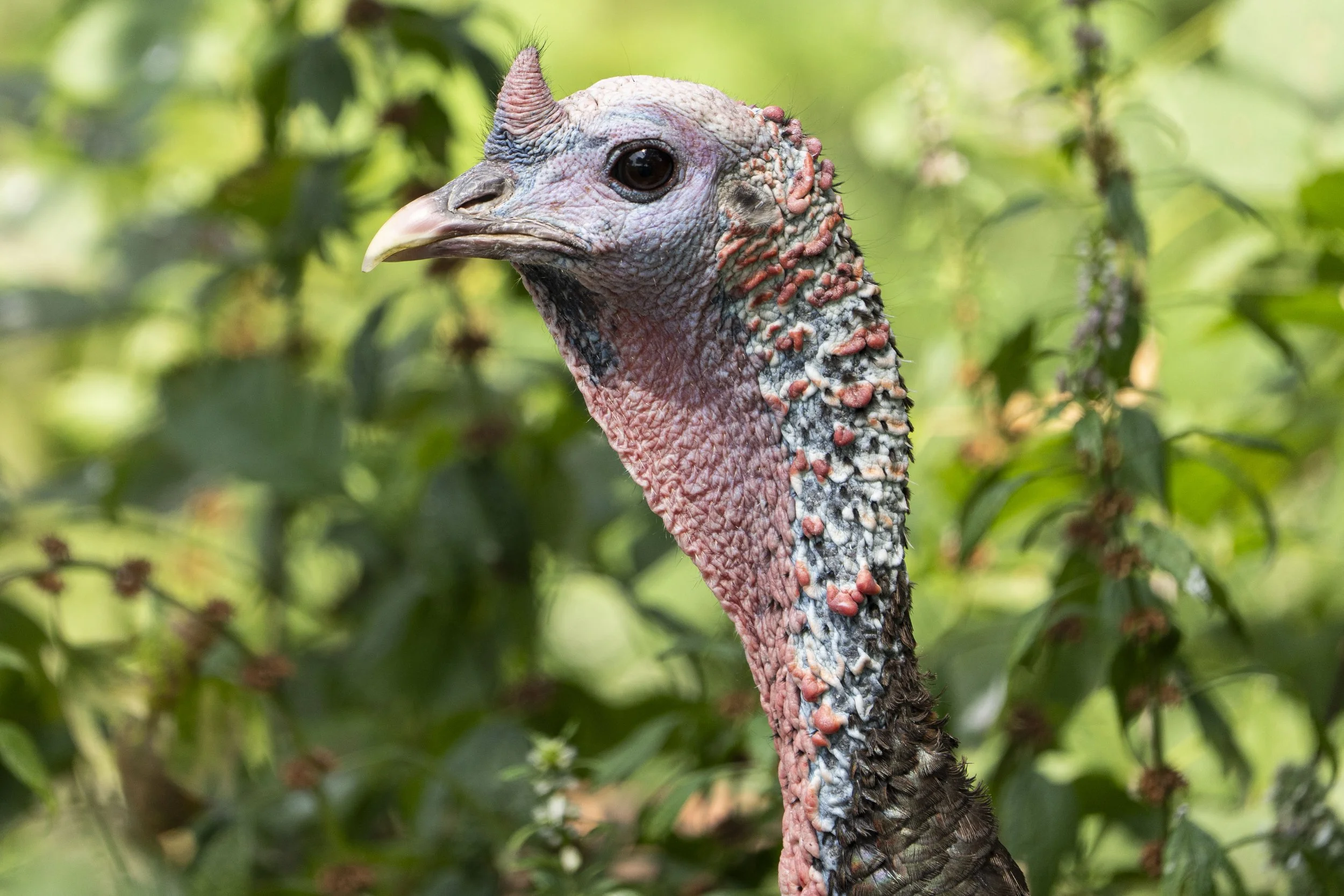
Eastern Wild Turkey (Meleagris gallopavo)
(Image: Jordan Barry)
Swallows and kingfishers nest along eroded riverbanks—bank and rough-winged swallows dig tunnels in soil, while tree, barn, and cliff swallows use trees, bridges, and structures. Belted kingfishers nest in long bank tunnels and fish skillfully from perches. Foxes, coyotes, and deer frequent the surrounding hillsides.
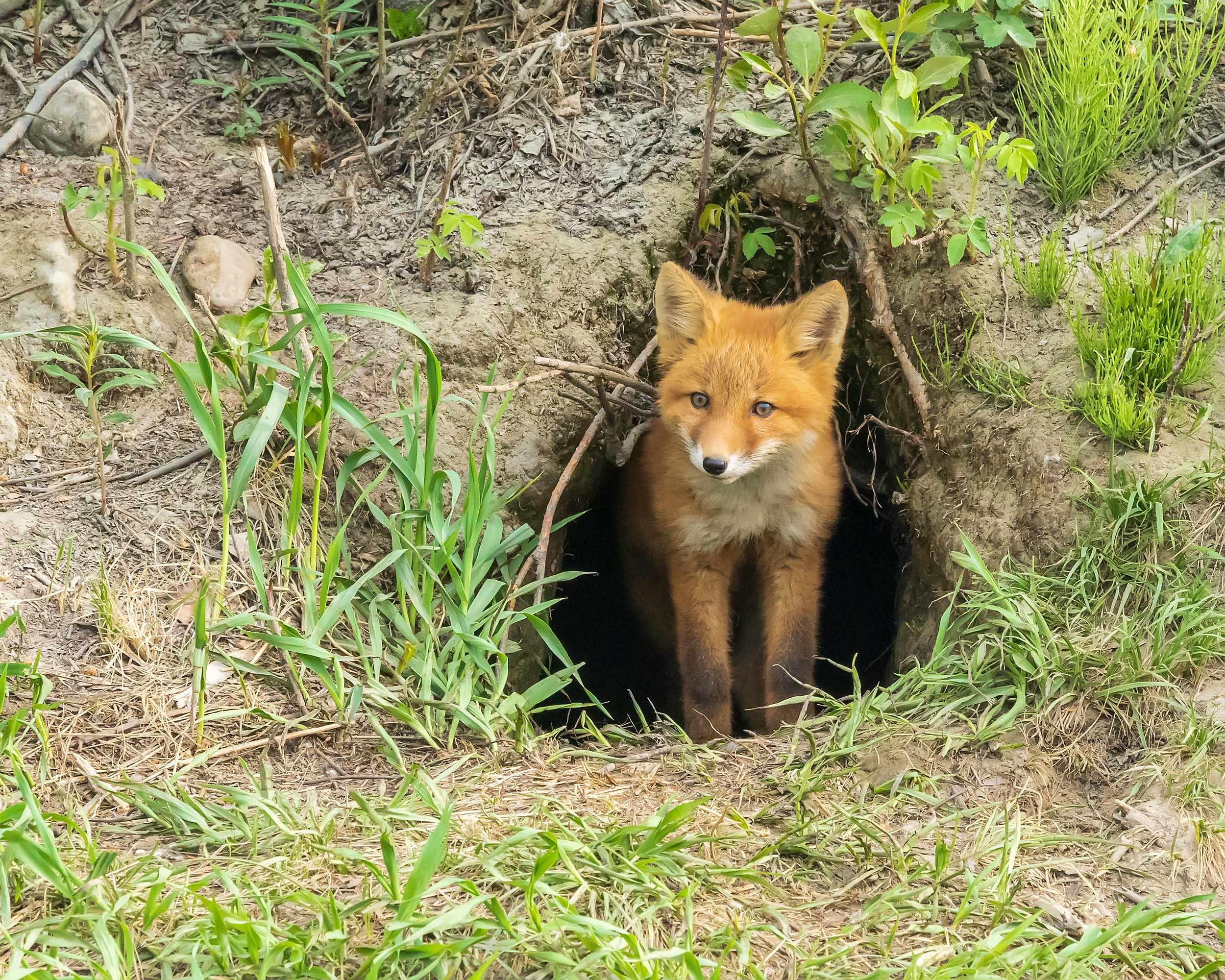
Red Fox (Vulpes vulpes)
(Image: Dee Carpenter)
Wildlife of the Woodlands
From Spencer to Cherokee, the river passes through narrow and wider woodlands with oak, walnut, hackberry, maple, and basswood trees. These forests host squirrels, raccoons, mink, deer, and beavers, as well as a wide variety of birds. Common species include great blue and green herons, wood ducks, bald eagles, red-tailed and Cooper’s hawks, barred and great horned owls, and turkey vultures. Smaller songbirds such as wrens, orioles, chickadees, warblers, and vireos fill the canopy with sound.
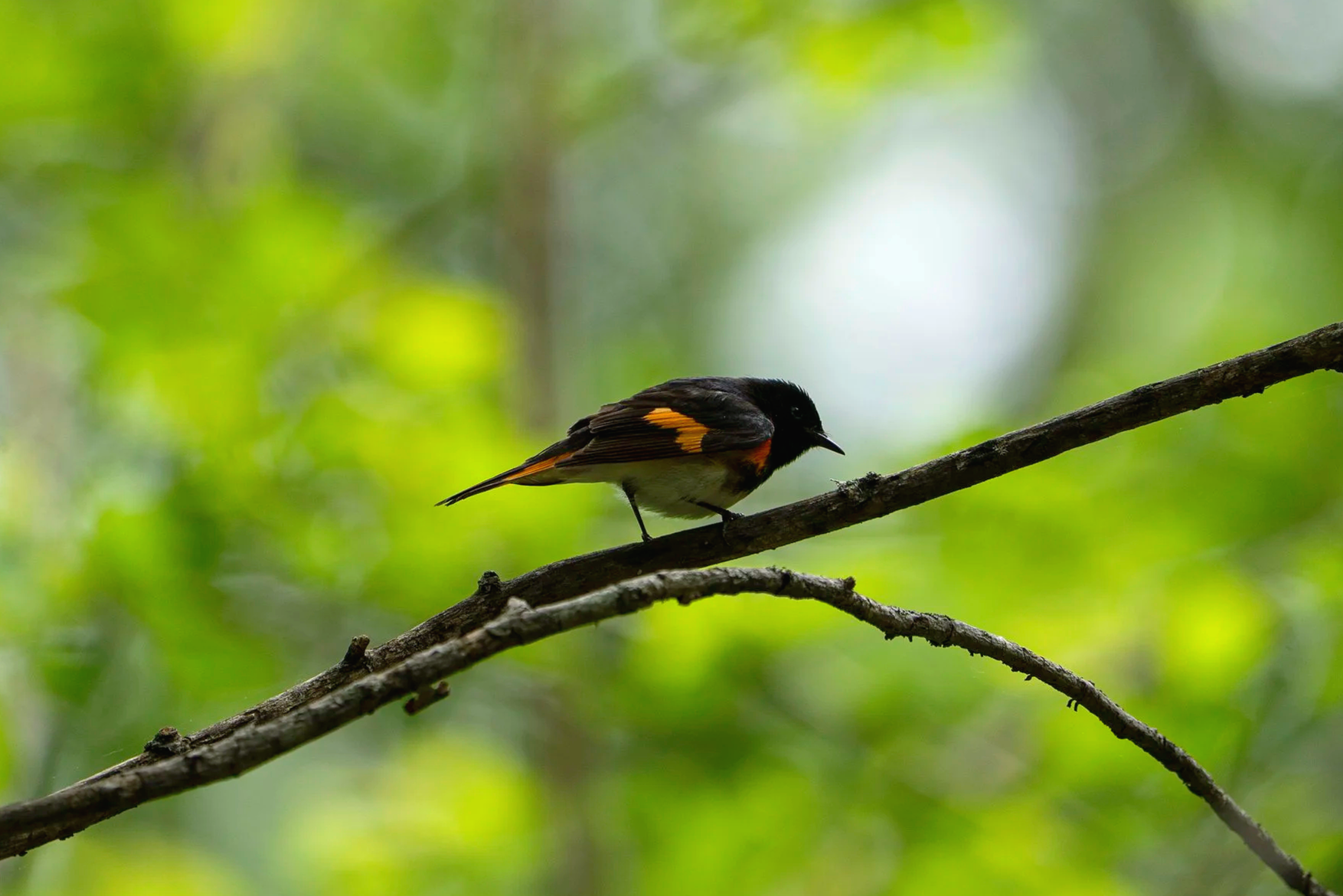
American Redstart (Setophaga ruticilla)
(Image: Jordan Barry)
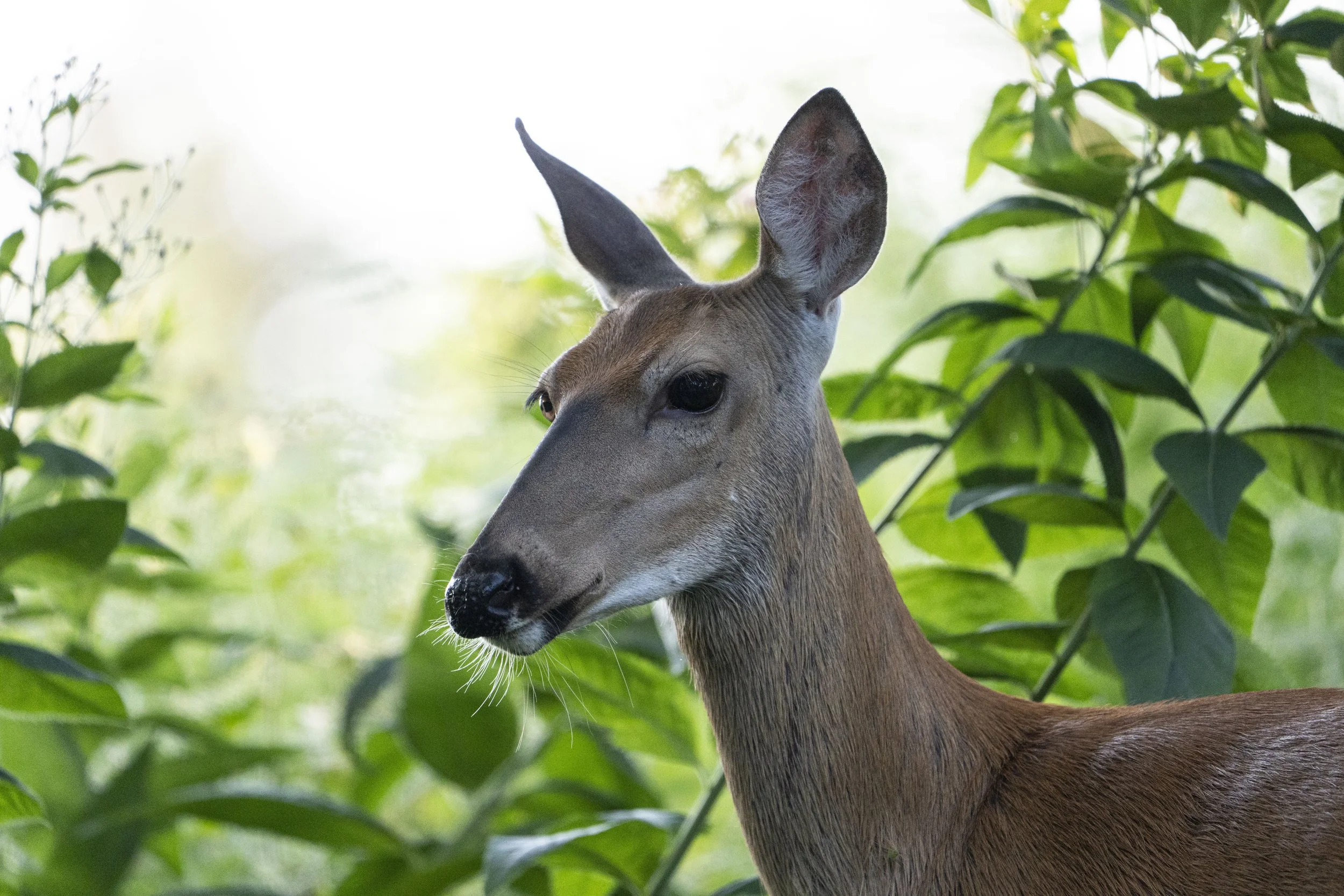
White Tail Deer (Odocoileus virginianus)
(Image: Jordan Barry)
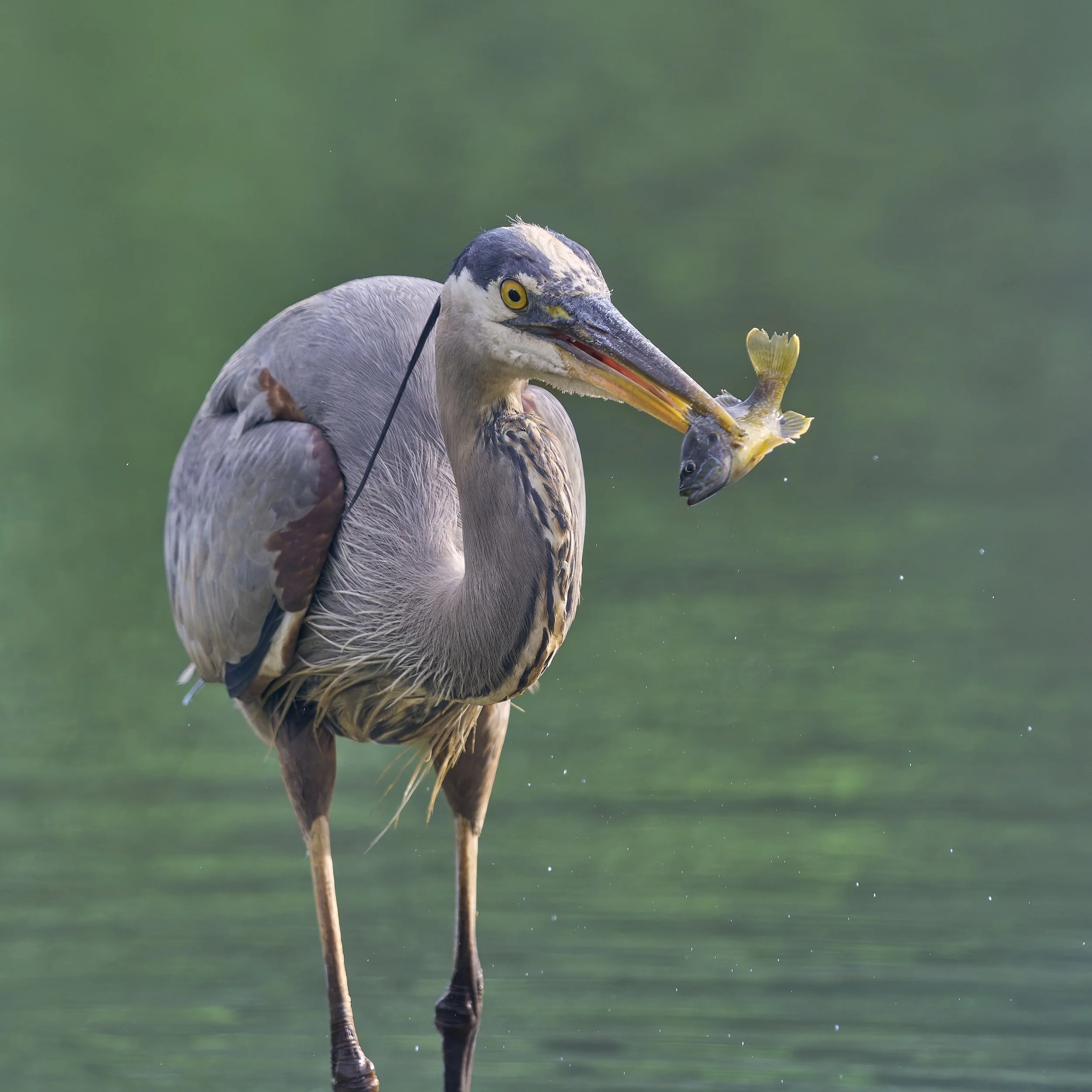
Great Blue Heron (Ardea herodias)
(Image: Paul Danese)
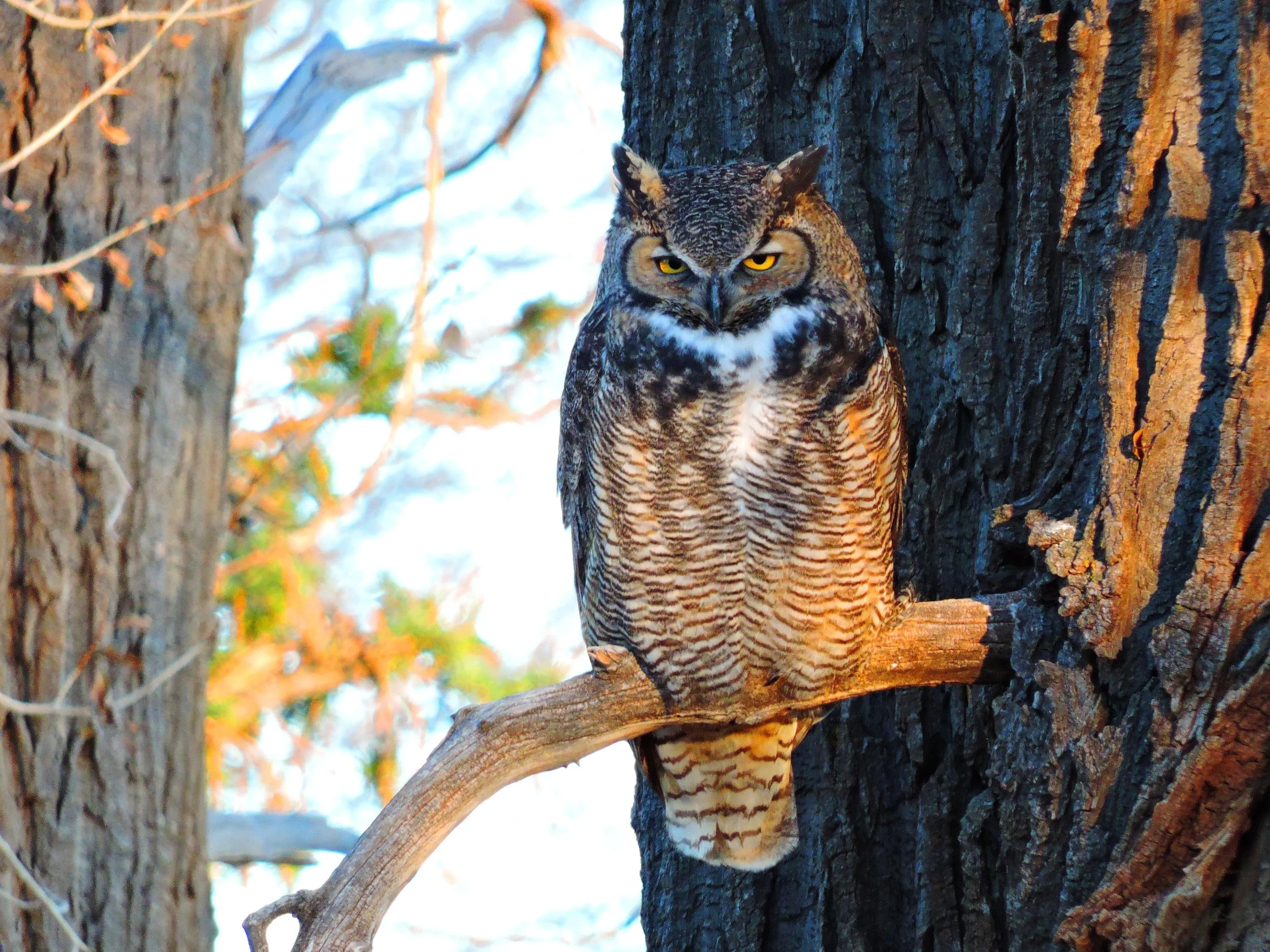
Great Horned Owl (Bubo virginianus)
(Image: Patrick Myers, NPS)
Semi- Aquatic Wildlife
The Little Sioux River watershed provides habitat for a diversity of amphibians, aquatic mammals and reptiles. Wetlands, Oxbows and tributaries like Waterman Creek, Dugout Creek, and Elk Creek provide an interconnected web of essential aquatic habitat for life to flourish within the watershed. Beaver, Muskrat, Mink and the elusive River Otter populate the muddy banks along with Softshell, Painted, Snapping and Blandings Turtles. Amphibians include the Northern Leopard Frog, the American Toad, the Chorus Frog and the Tiger Salamander. The Northern Prairie Skink and Garter Snakes are also plentiful.
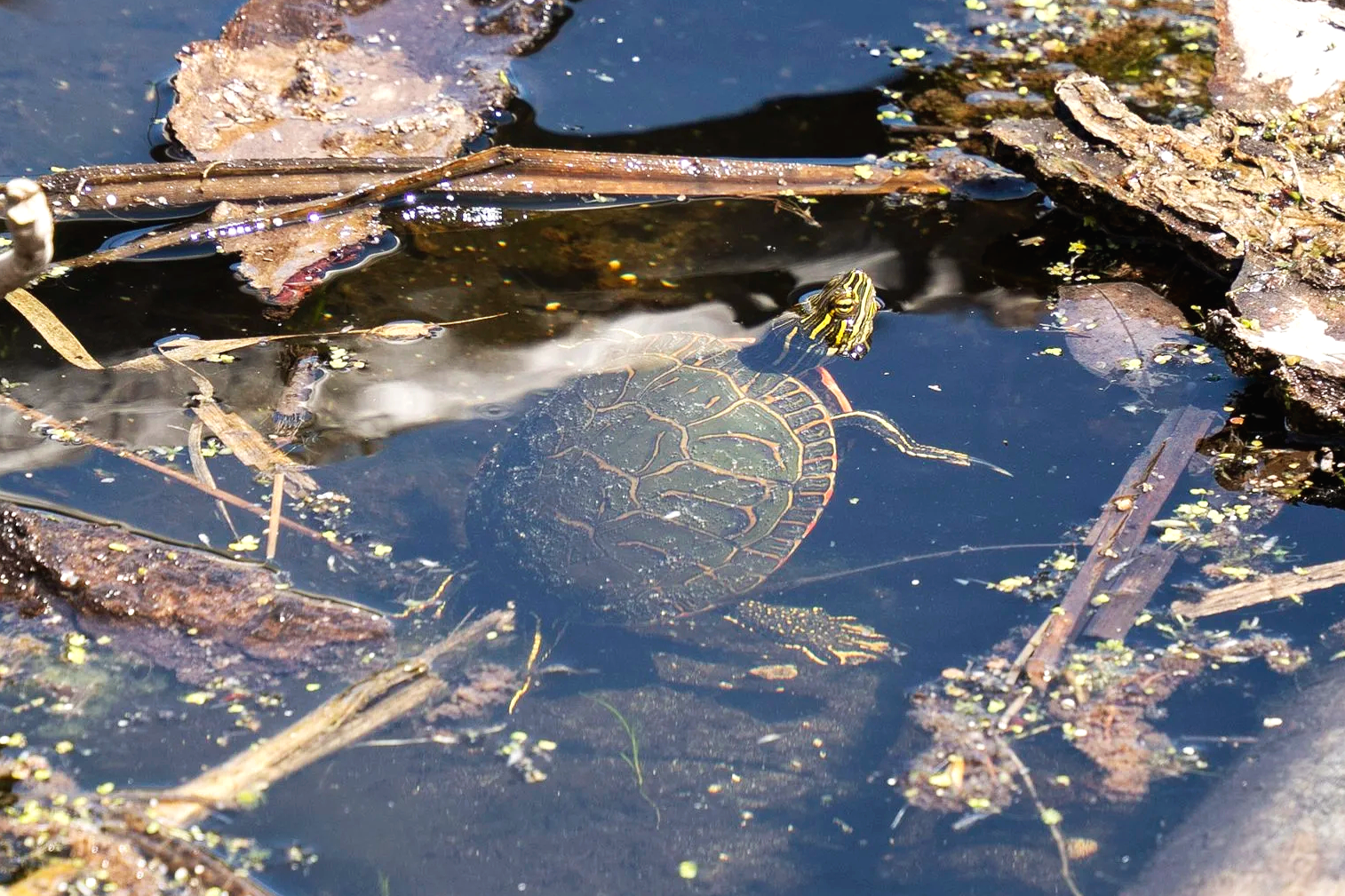
Painted Turtle (Chrysemys picta)
(Image: Jordan Barry)
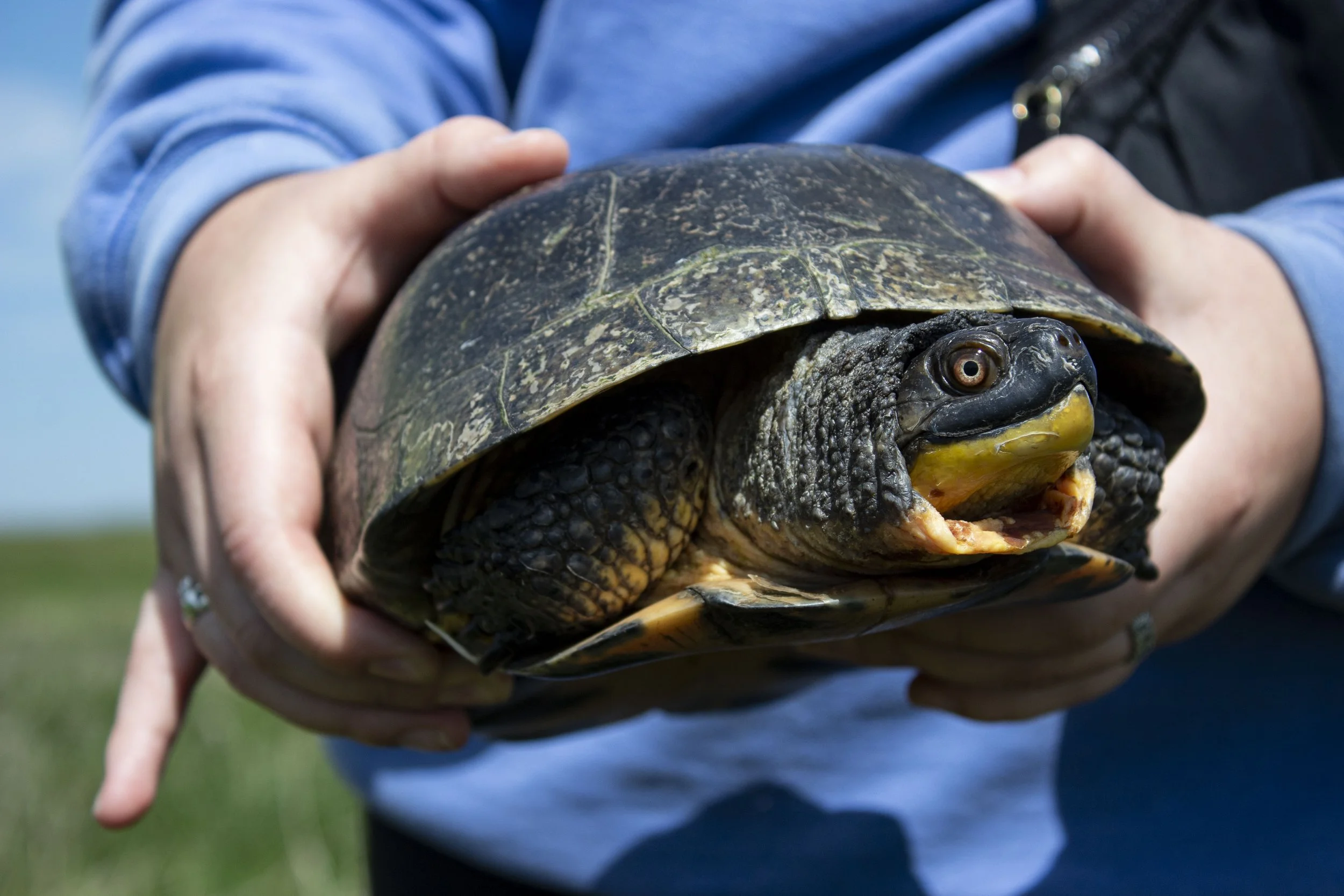
Blanding’s Turtle (Emydoidea blandingii)
(Image: Jordan Barry)
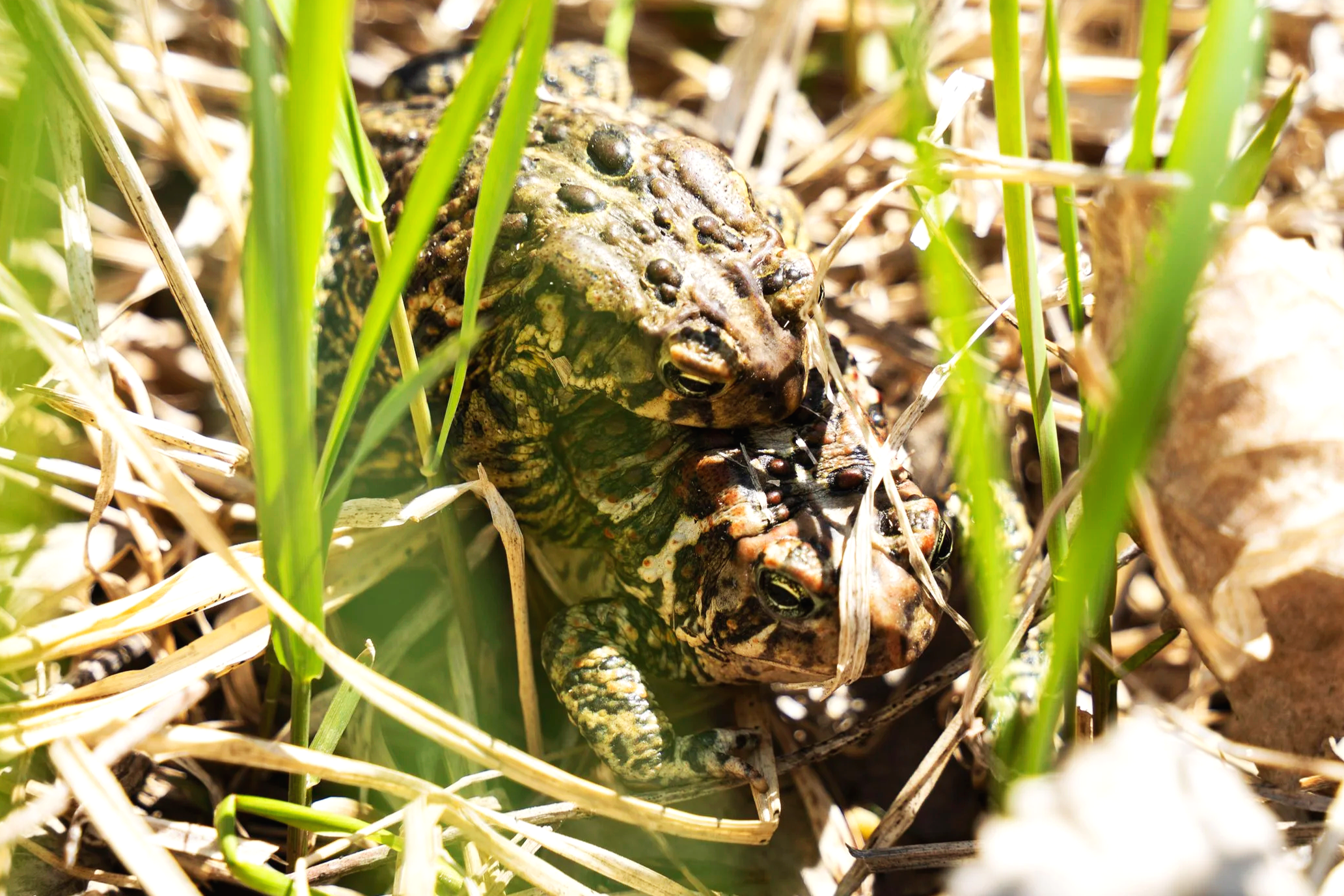
A pair of American Toads (Anaxyrus americanus)
(Image: Jordan Barry)
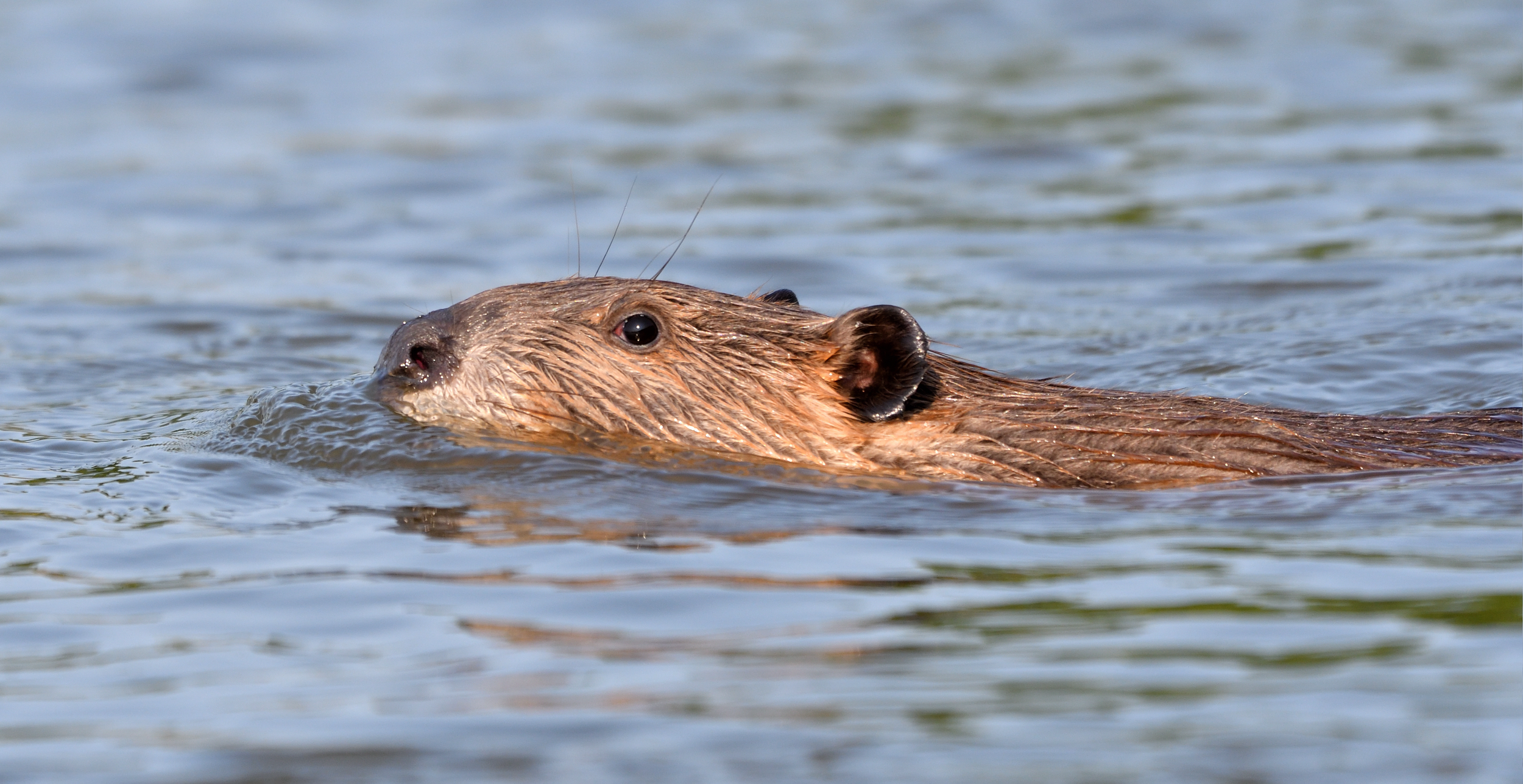
North American Beaver (Castor canadensis)
(Image: Dan Cohen)
Invertebrates
The Little Sioux River watershed supports a wide variety of insect and invertebrate life, reflecting its diverse habitats — from prairie grasslands and wetlands to riparian forests and agricultural lands. Insects play crucial roles in the region’s ecosystems as pollinators, decomposers, prey species, and indicators of water quality.
Aquatic Macroinvertebrates:
Streams, ponds, and wetlands host rich communities of aquatic macroinvertebrates and insects such as mayflies, caddisflies, stoneflies, dragonflies, damselflies, aquatic beetles, crayfish, worms, mussels and snails. These species are vital for nutrient cycling and serve as food for fish, amphibians, and birds. The presence of pollution-sensitive species like mayflies and caddisflies often indicates good water quality, while their absence can signal habitat degradation.
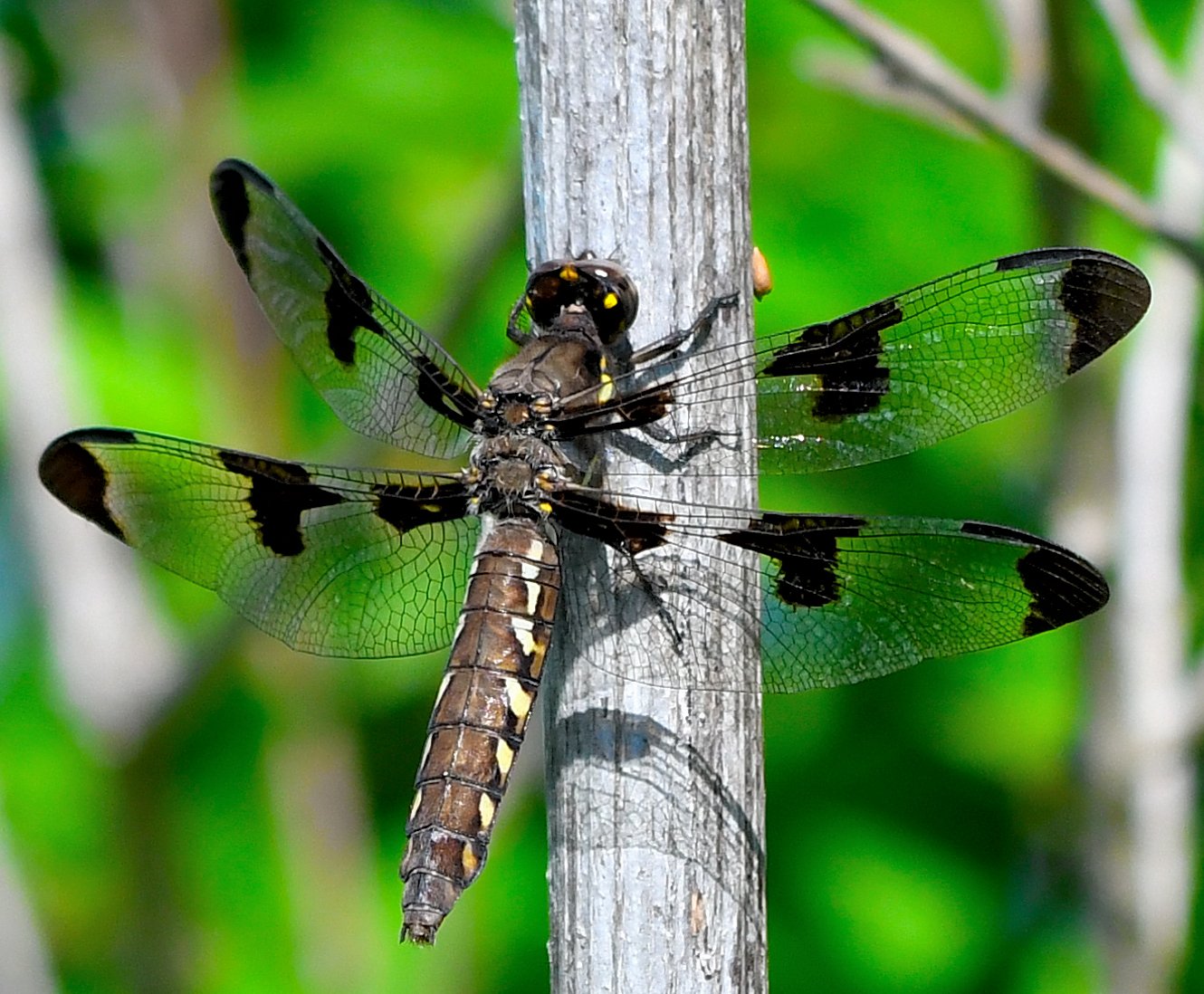
Common Whitetail Dragonfly (Plathemis lydia)
(Image: Dan Cohen)
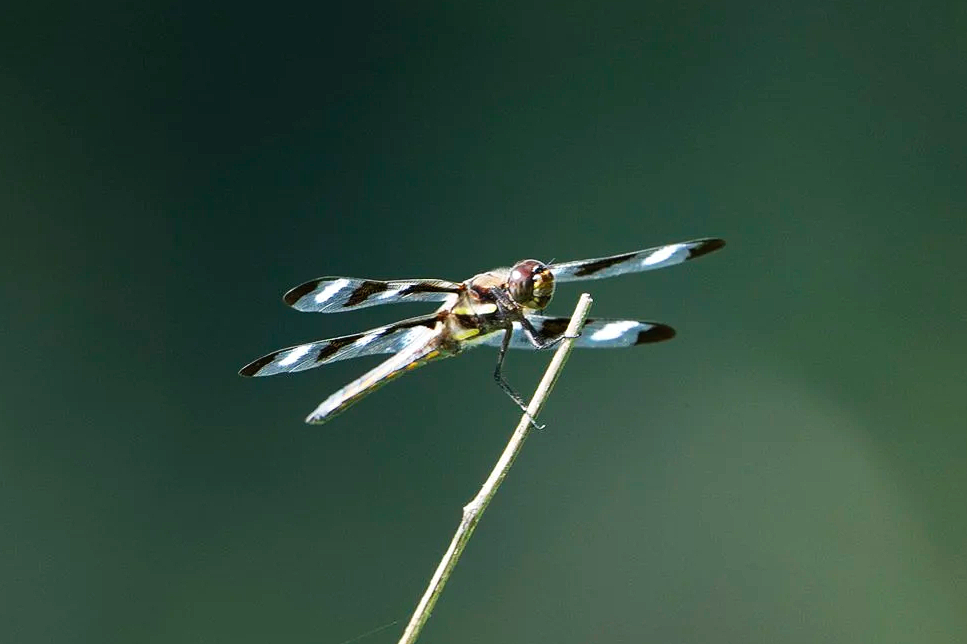
Twelve Spotted Skimmer (Libellula pulchella)
(Image: Jordan Barry)
Terrestrial Insects:
On land, butterflies, bees, wasps, grasshoppers, beetles, and ants dominate the prairie and woodland edges. Native bees and butterflies, including monarchs, are especially important pollinators for native plants and crops. Grasshoppers and crickets are abundant in summer, providing food for birds and small mammals.
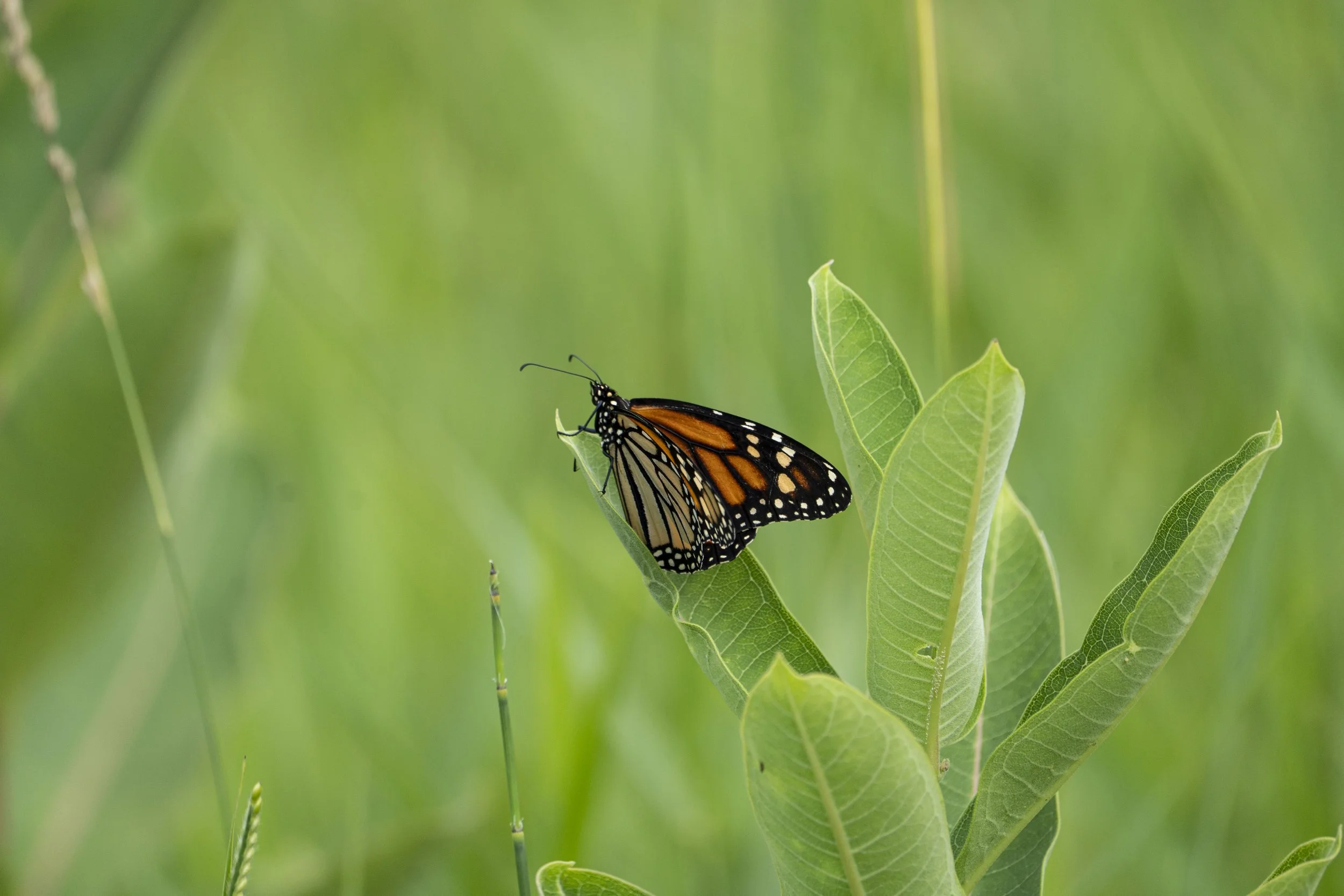
Monarch Butterfly (Danaus plexippus)
(Image: Jordan Barry)
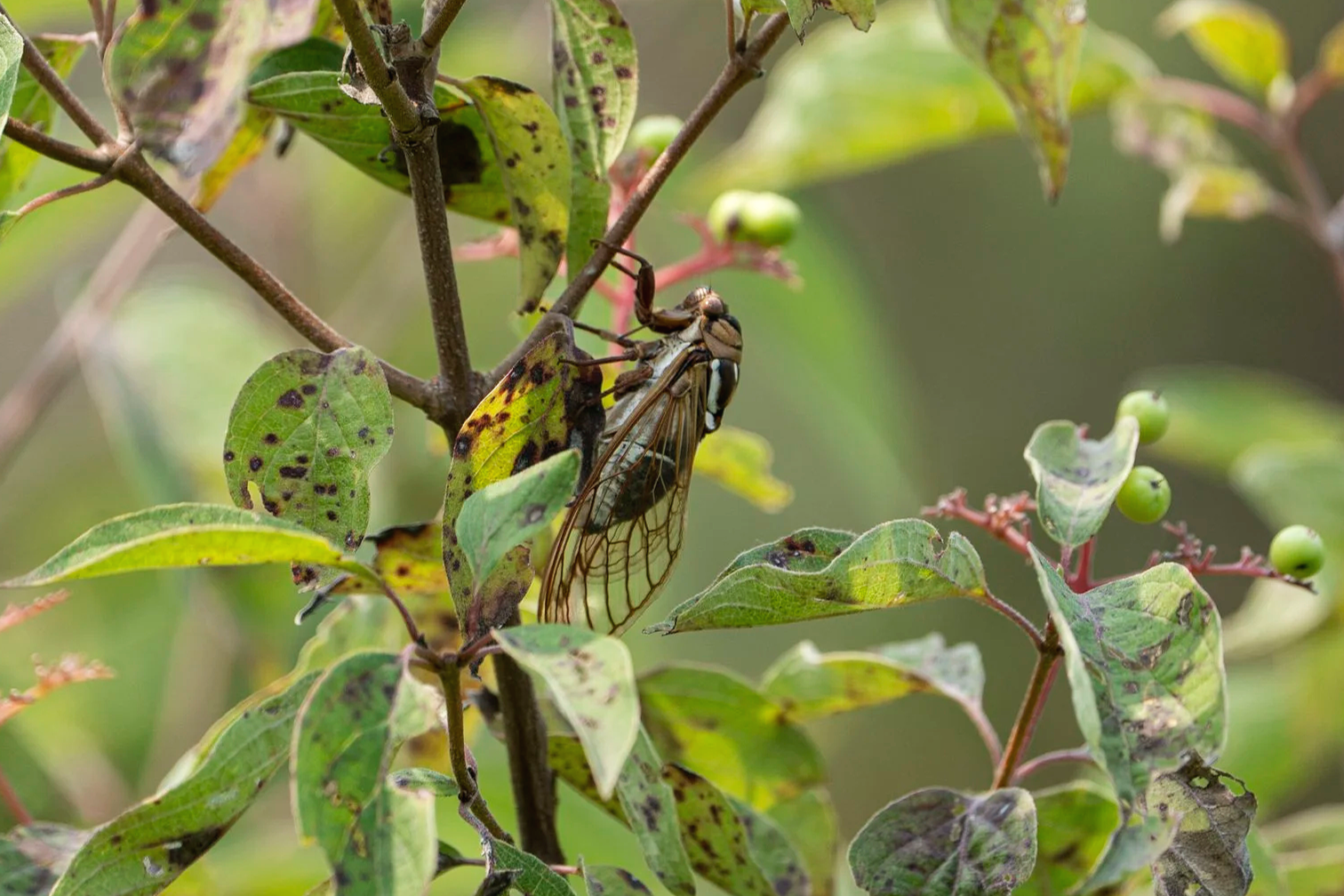
Bush Cicada (Megatibicen dorsatus)
(Image: Jordan Barry)
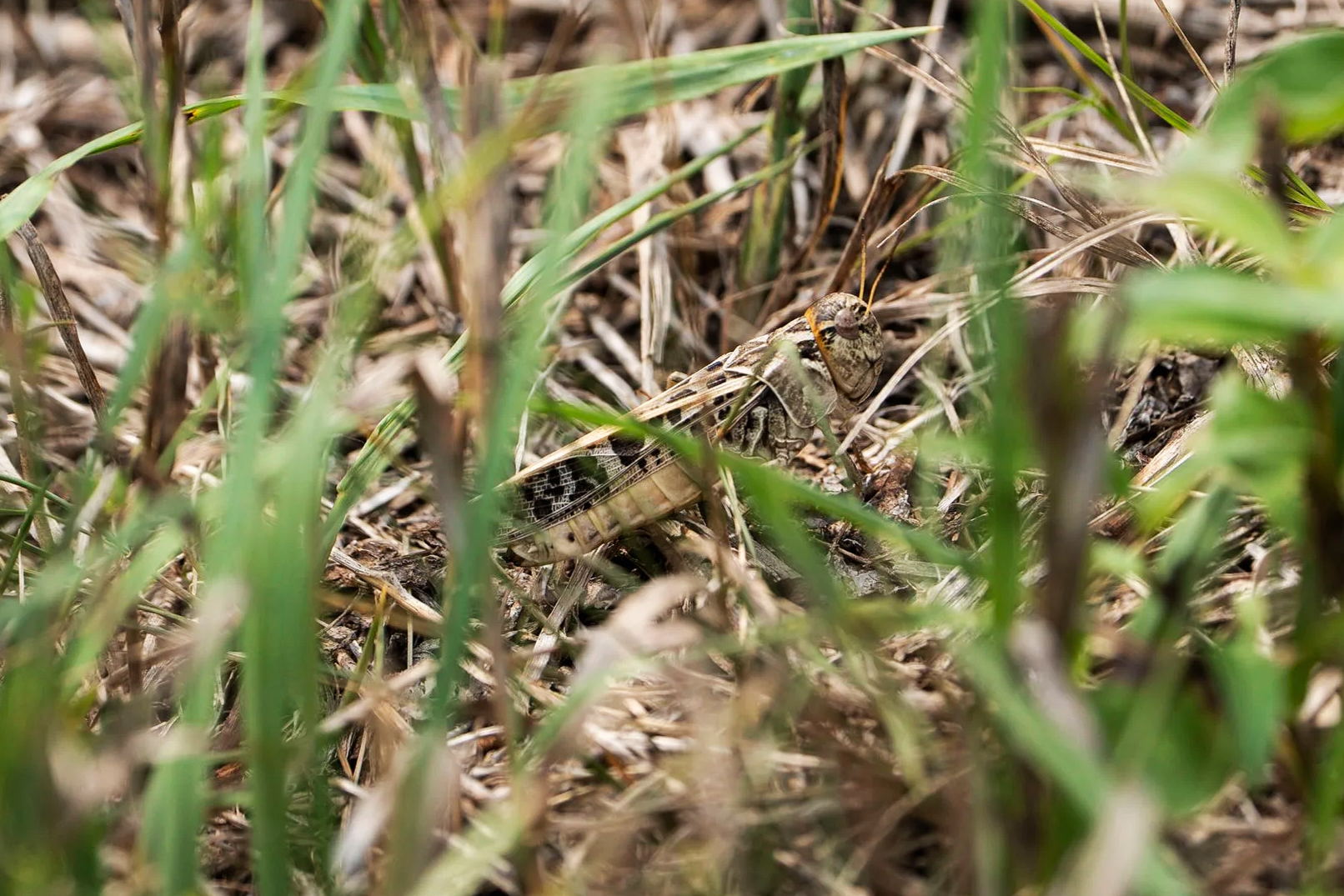
Wrinkled Grasshopper (Hippiscus ocelote)
(Image: Jordan Barry)
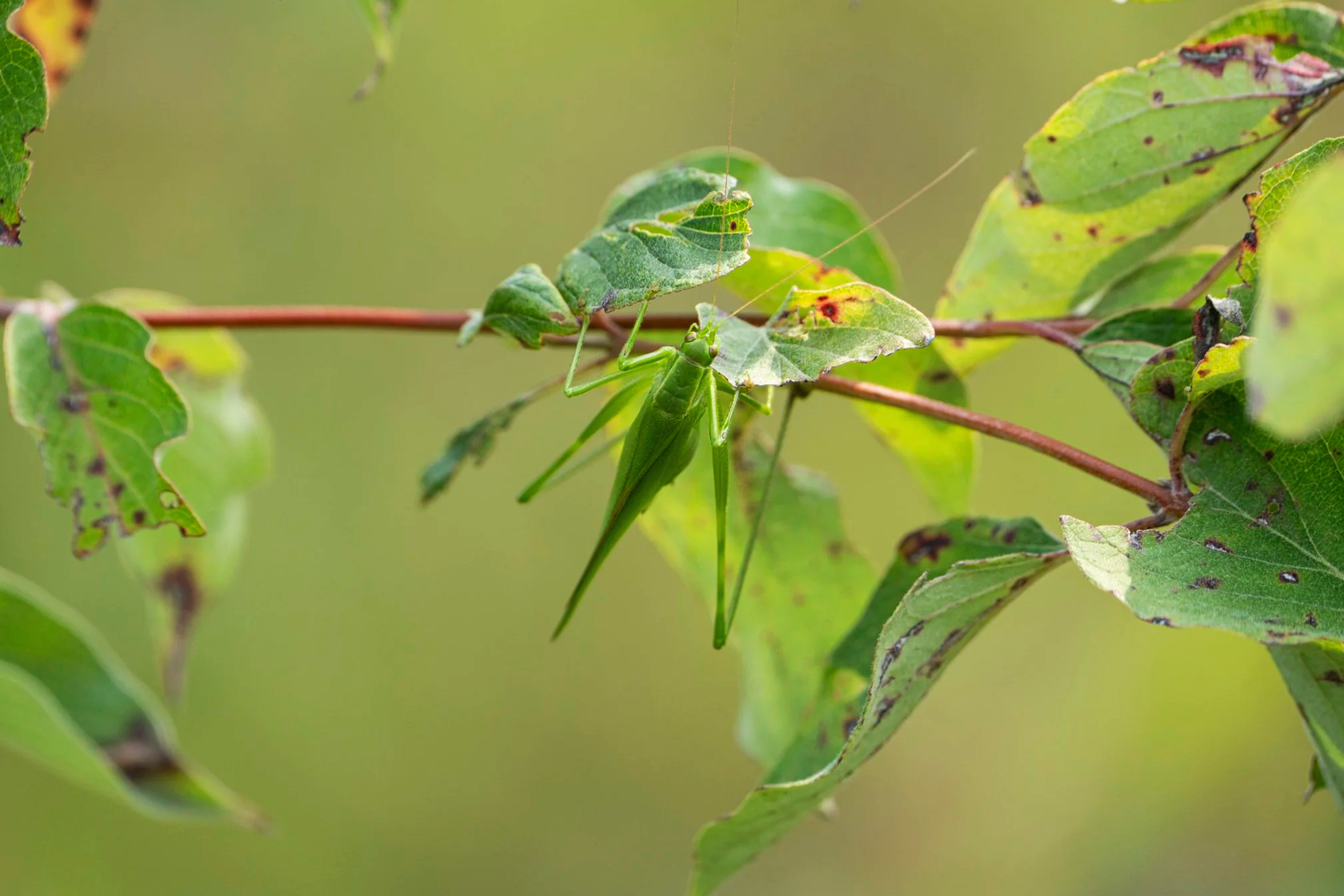
Scudder’s Bush Katydid (?)
(Image: Jordan Barry)
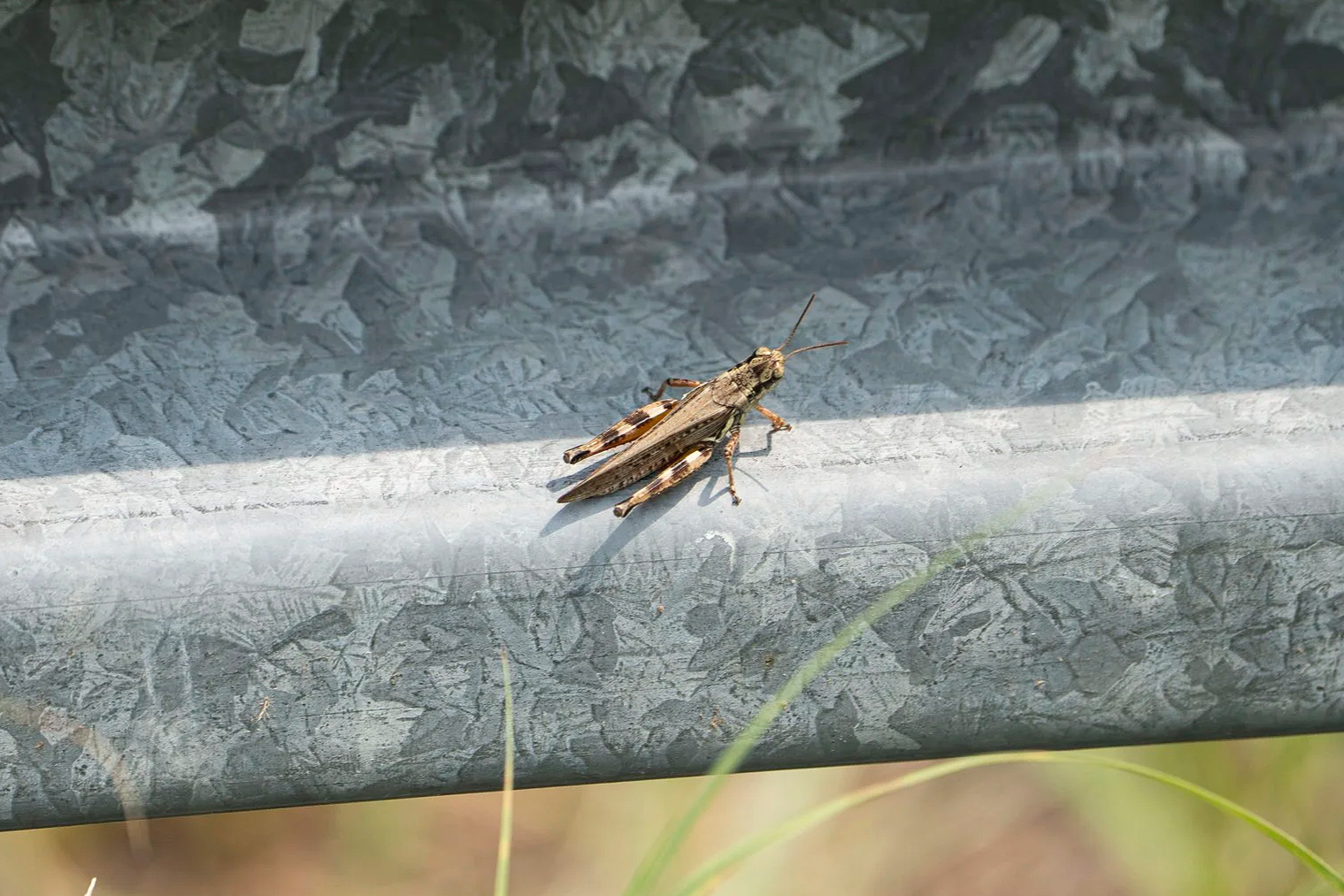
Pine Tree Spur-Throat Grasshopper (Melanoplus punctulatus)
(Image: Jordan Barry)
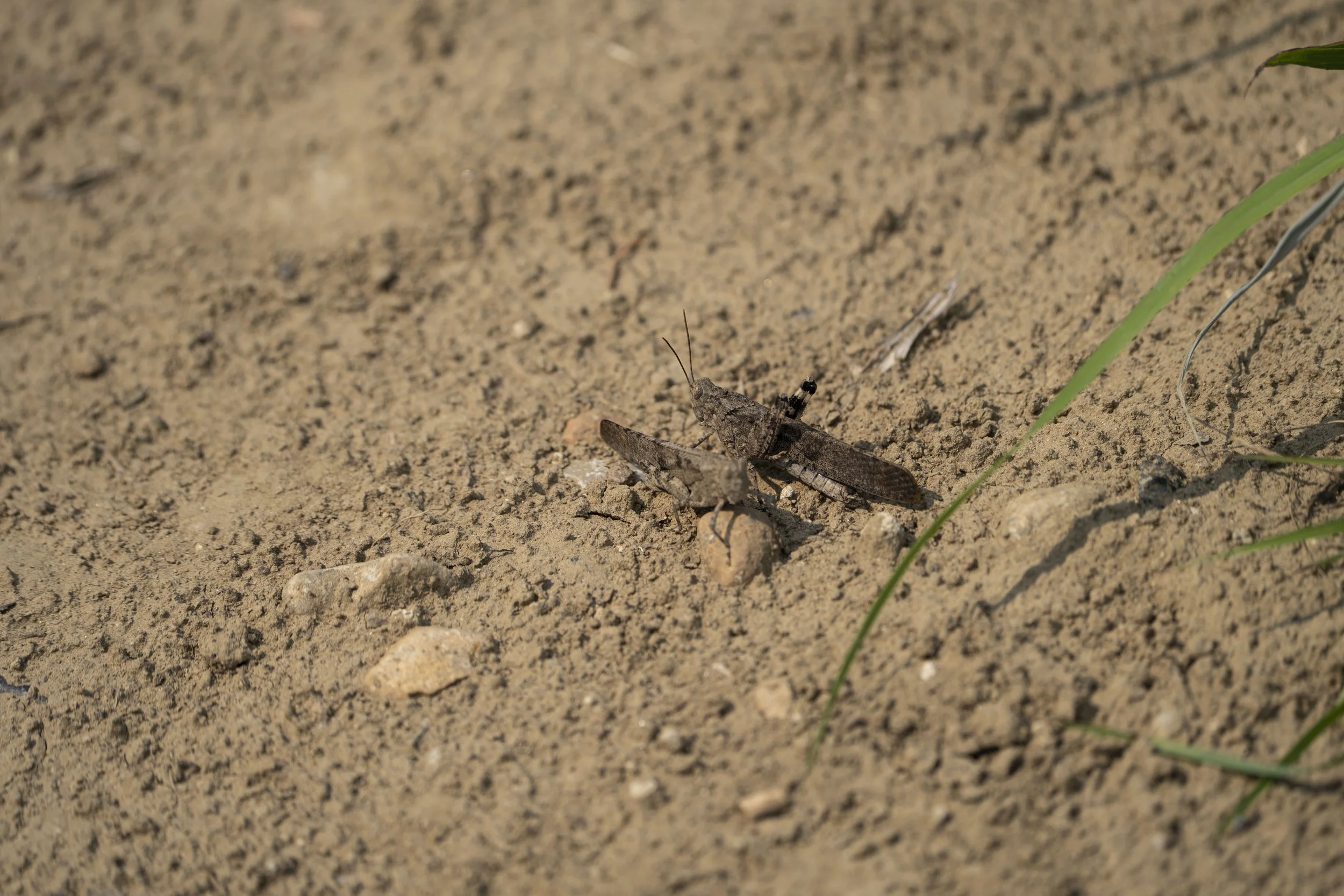
Carolina Grasshopper (Dissosteria carolina)
(Image: Jordan Barry)
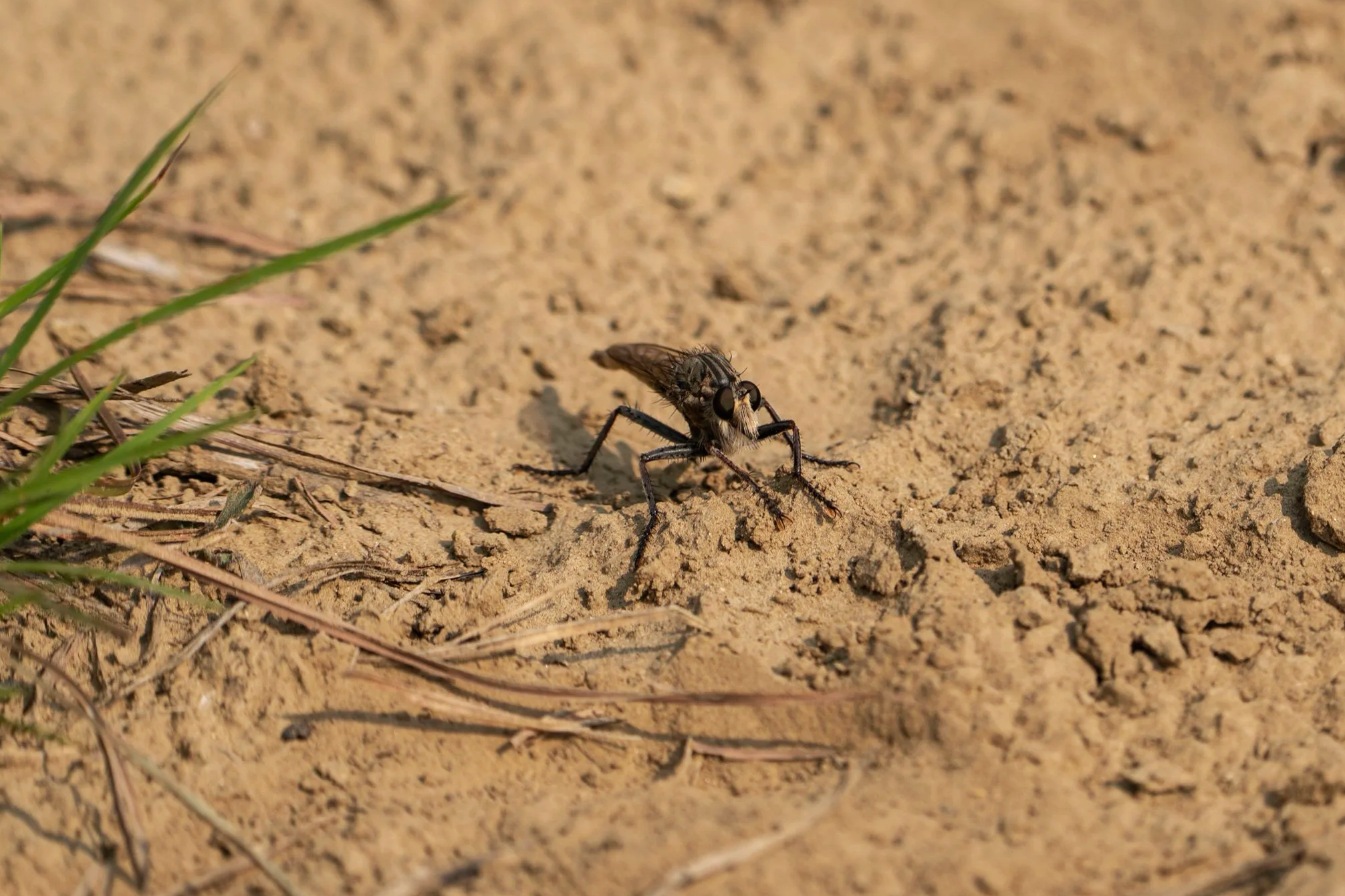
Common Marauder (Proctacanthus milbertii)
(Image: Jordan Barry)
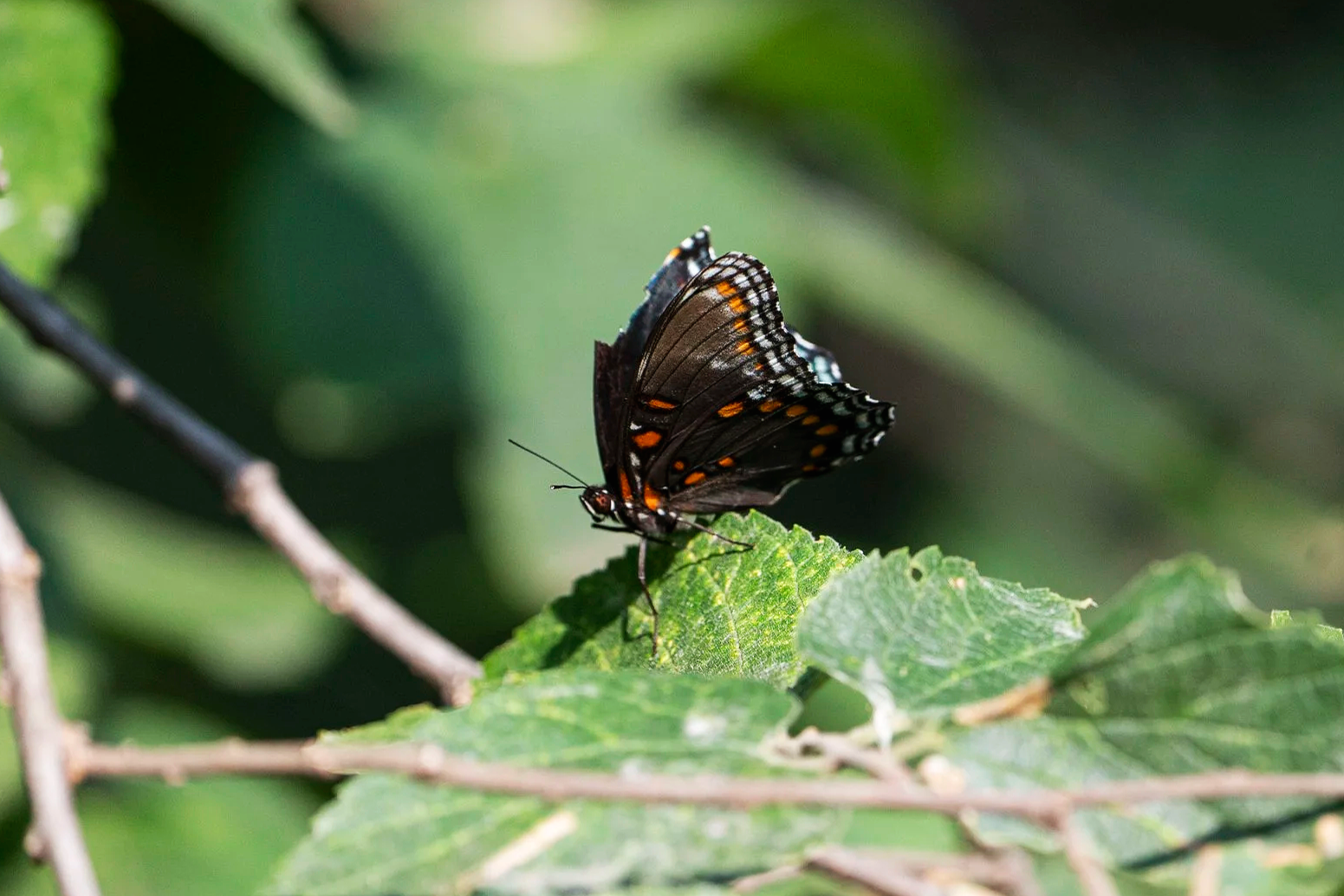
Red-spotted Admiral (Limenitis arthemis)
(Image: Jordan Barry)
A Brief Ichthyological History
Over the past 130 years, fish research in the Little Sioux River basin has centered on the Iowa Great Lakes (West Okoboji, East Okoboji, and Big Spirit)—some of Iowa’s deepest and most biologically rich waters [1]. Beginning with Seth Meek’s 1890 surveys, thousands of studies have been conducted, and modern monitoring continues through the Iowa DNR’s BioNet database, managed with the State Hygienic Laboratory’s long-term fish and macroinvertebrate sampling program.
The basin’s high fish diversity results from four key factors:
The Okoboji lakes serve as stable habitats and source areas for sensitive fish species.
The glacial landscape of the Des Moines Lobe provides clear, low-gradient streams and lakes that support diverse aquatic life.
Glacial gravels and cobbles in the upper and middle basin create varied habitats that support additional fish species.
Periodic flood connections between the Little Sioux and Des Moines River basins historically allowed species exchange, further enriching diversity [2].
Human actions also shaped the basin’s fish communities. From the 1870s to mid-1900s, Iowa’s “Mississippi Fish Rescue” program relocated fish from flooded Mississippi backwaters to inland lakes and rivers using special railcars like the “Hawkeye”[3][4]. This likely introduced species such as Paddlefish, Bowfin, and American Eel to the Iowa Great Lakes and the Little Sioux basin.
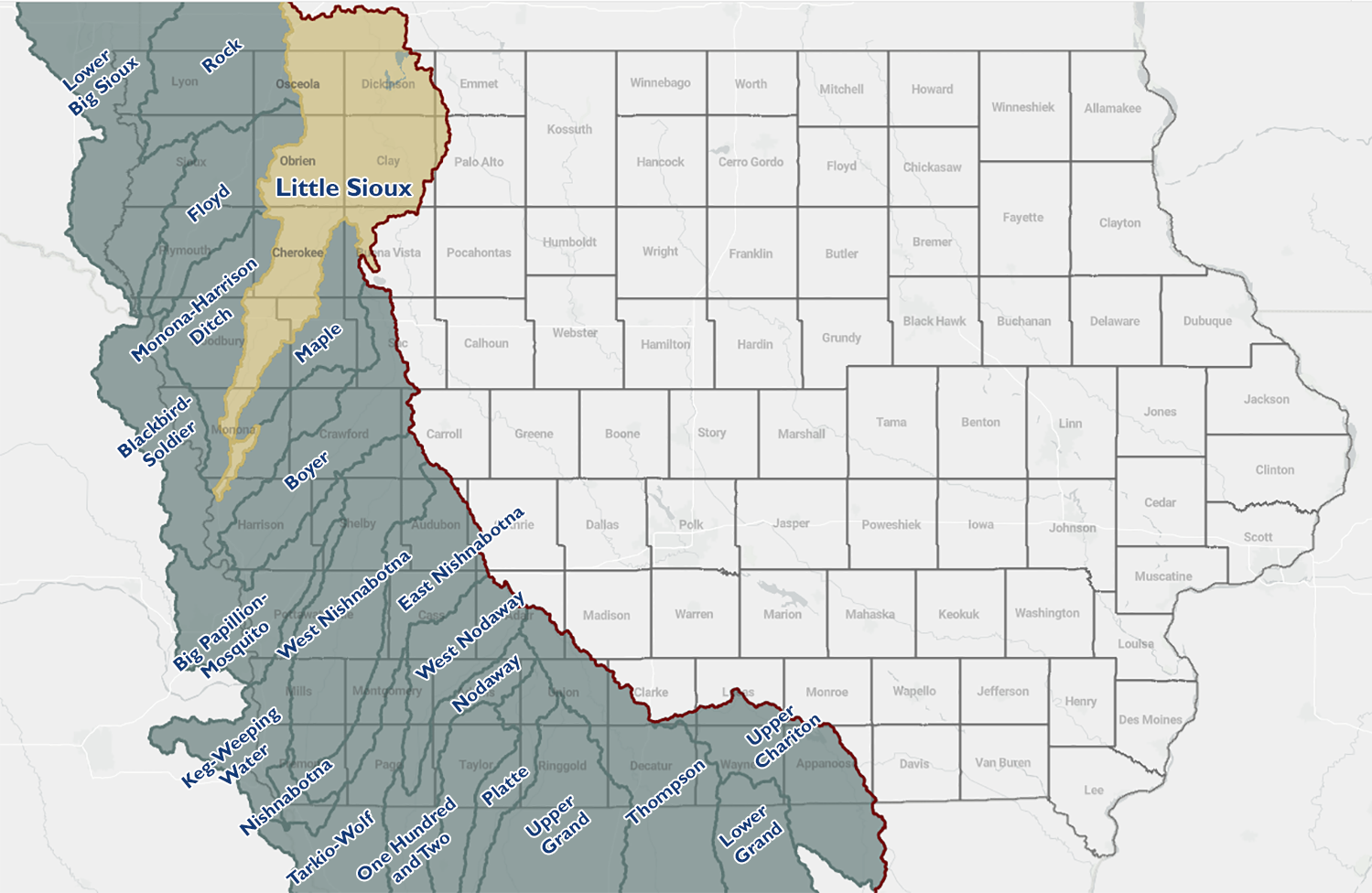
The Little Sioux watershed is highlighted in tan. The Mississippi - Missouri divide is marked in red.
(Map: University of Iowa Office of the State Archaeologist)

The ‘Hawkeye’ rail car was used to transport fish from the Mississippi backwaters to the Iowa Great Lakes and Little Sioux River in the late 19th and early 20th century.
(Image: Delevan 1900)
Types of Fish
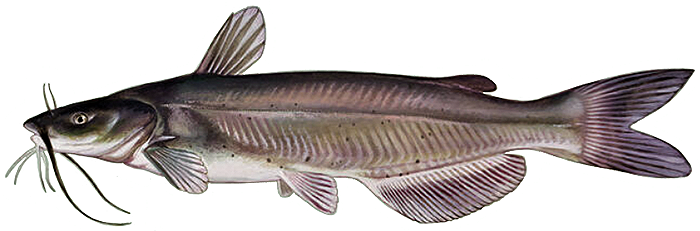
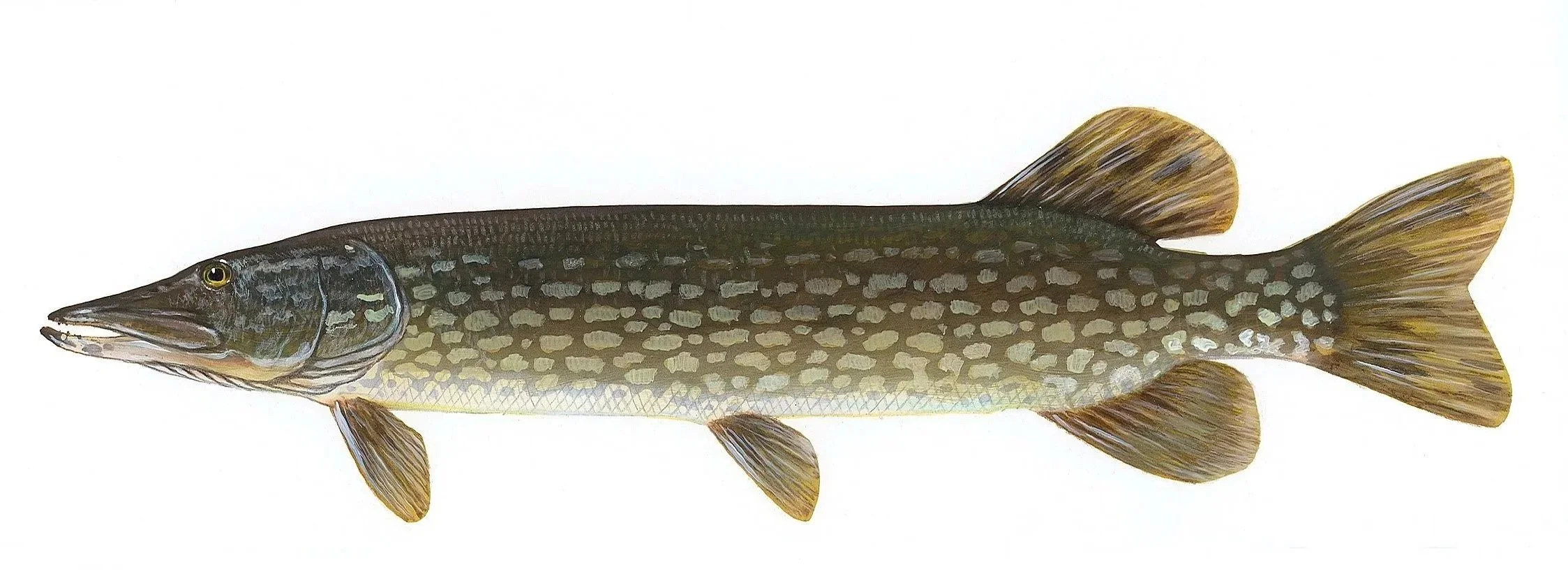
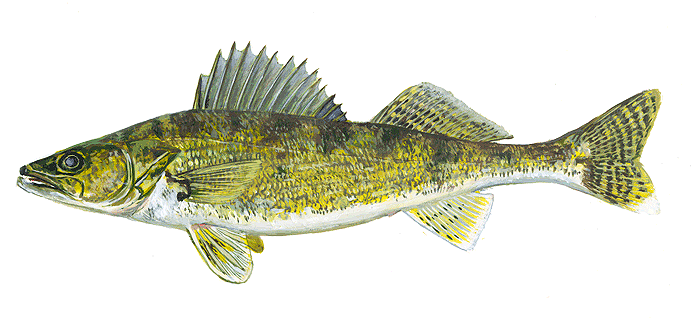
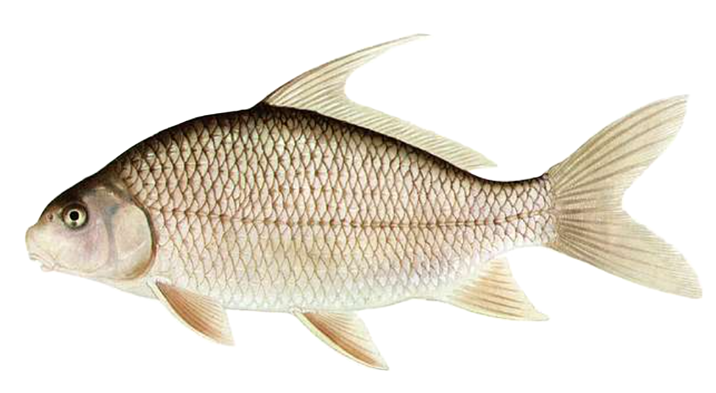
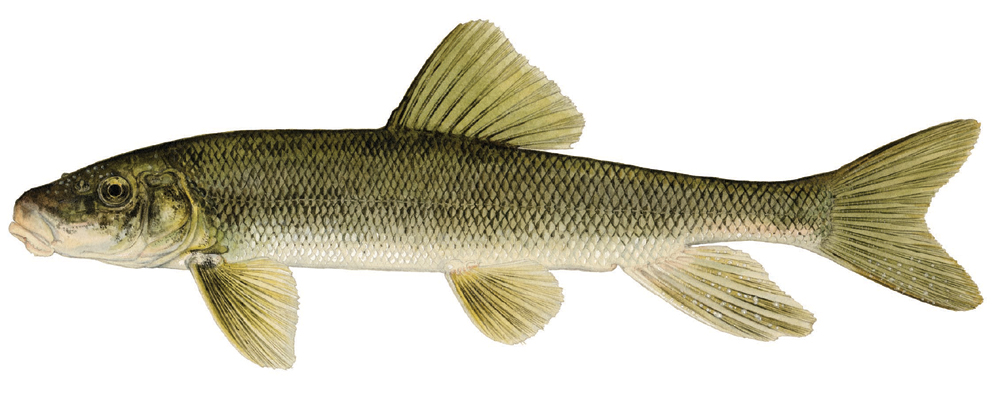
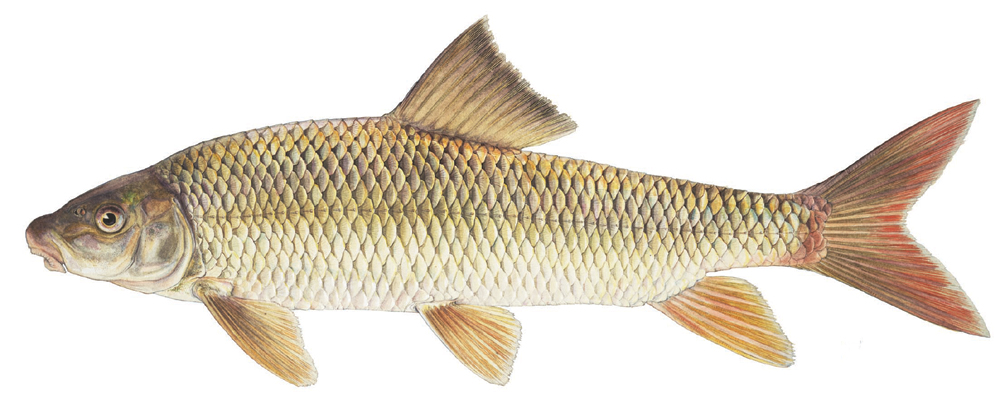
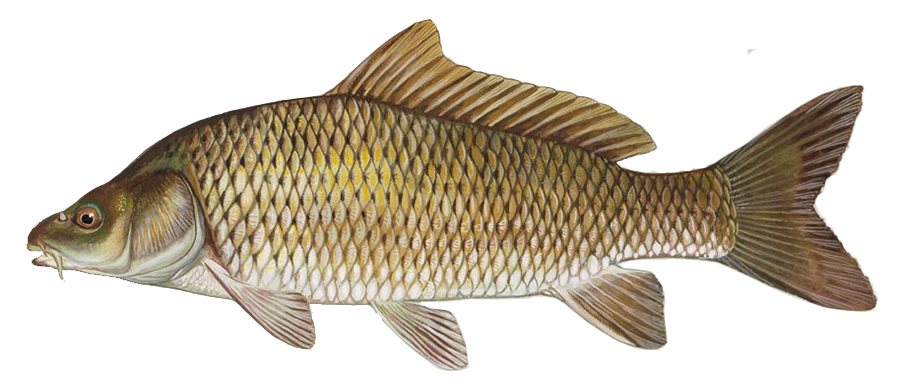
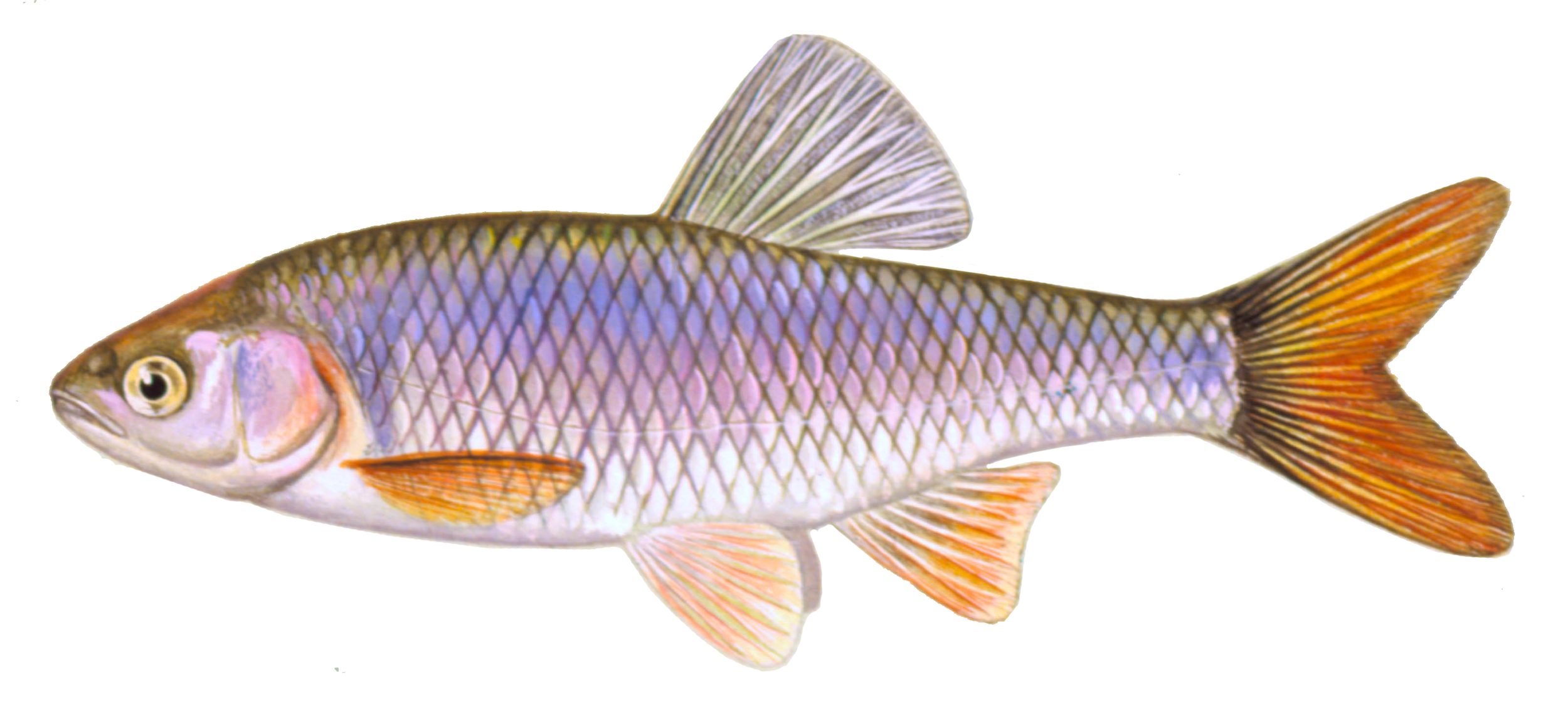
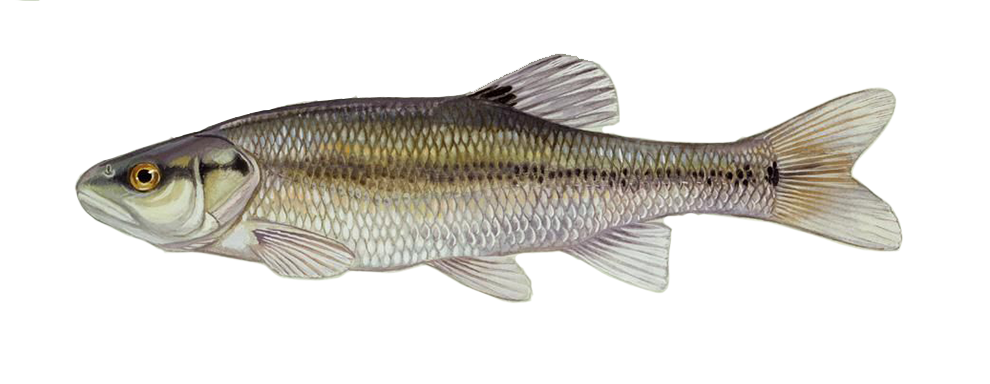
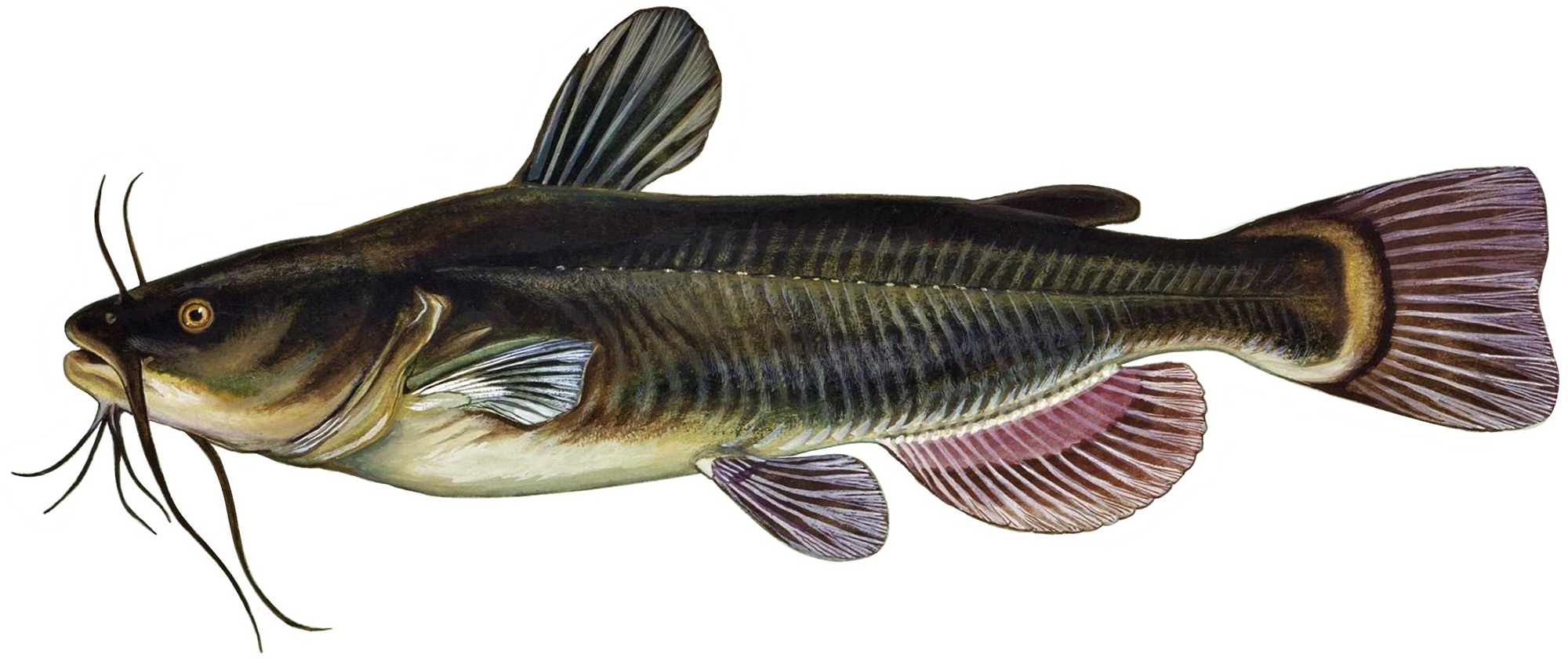
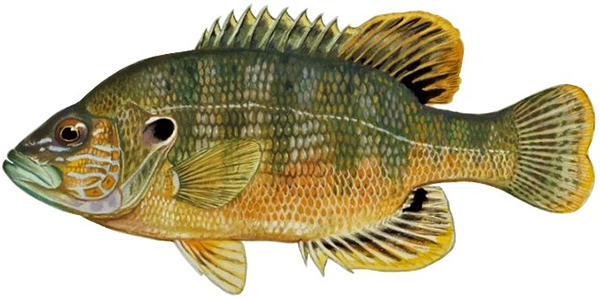
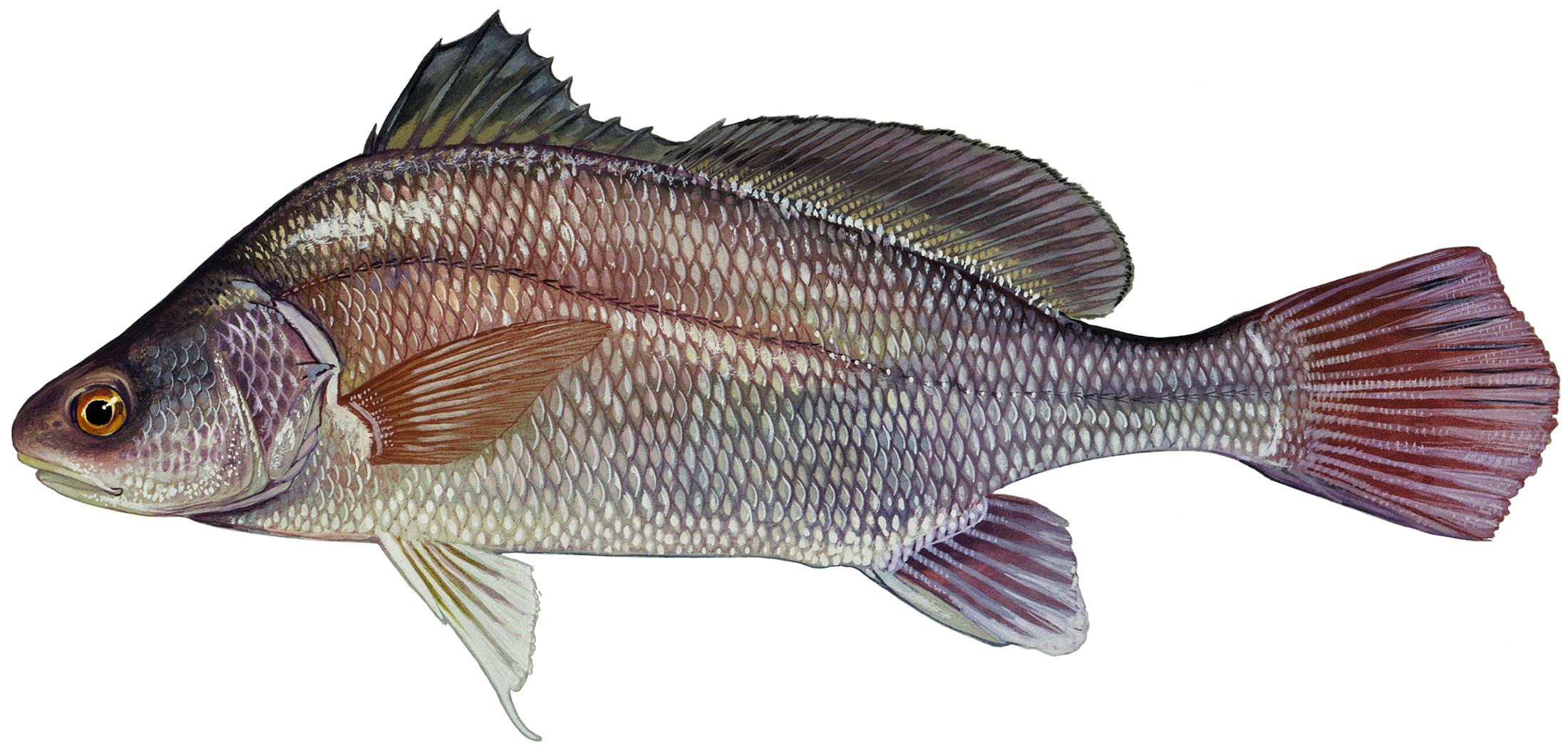
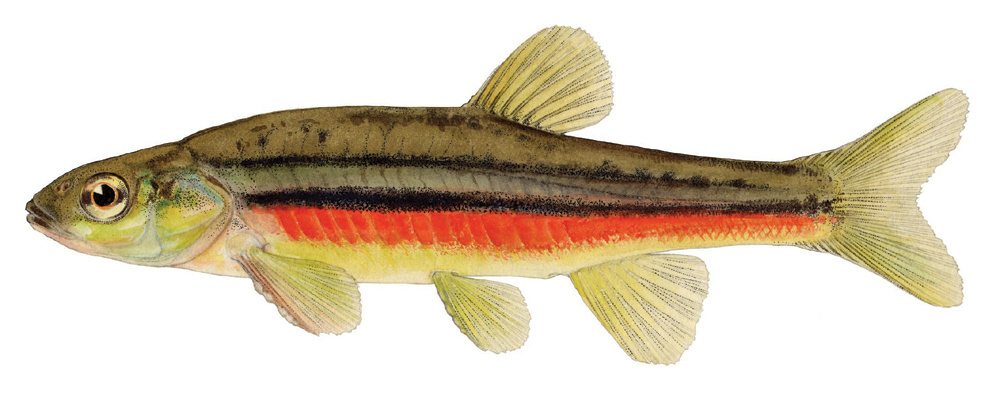
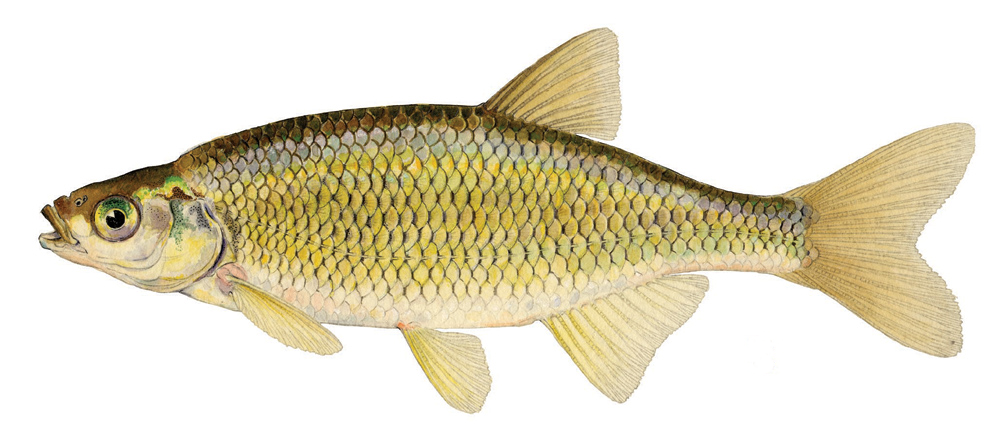
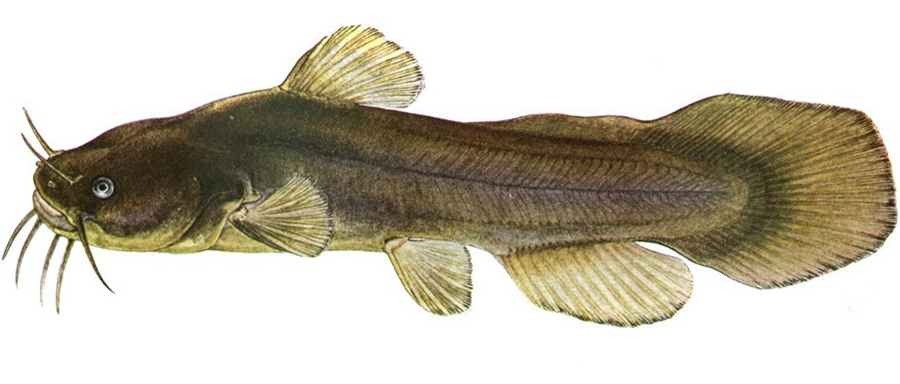
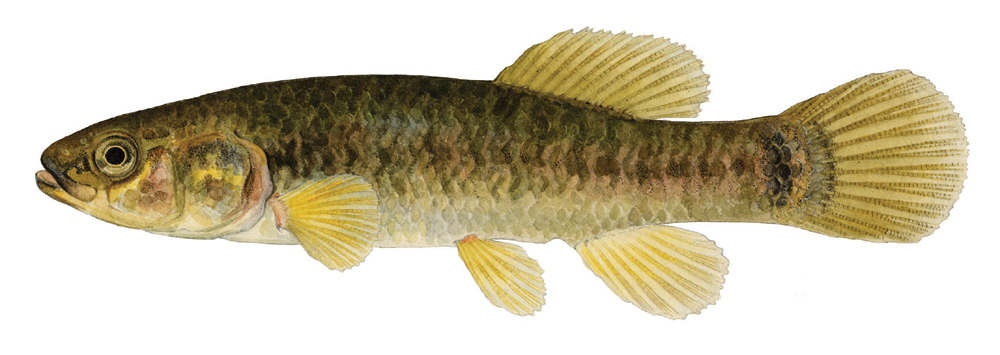
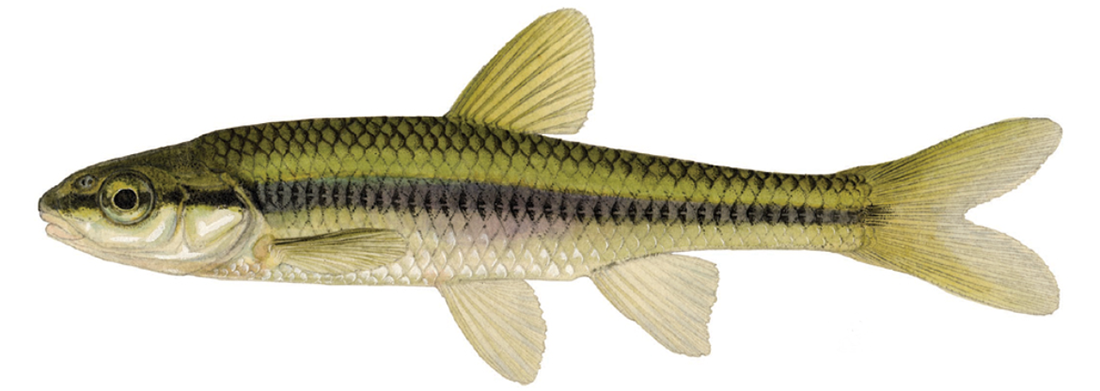
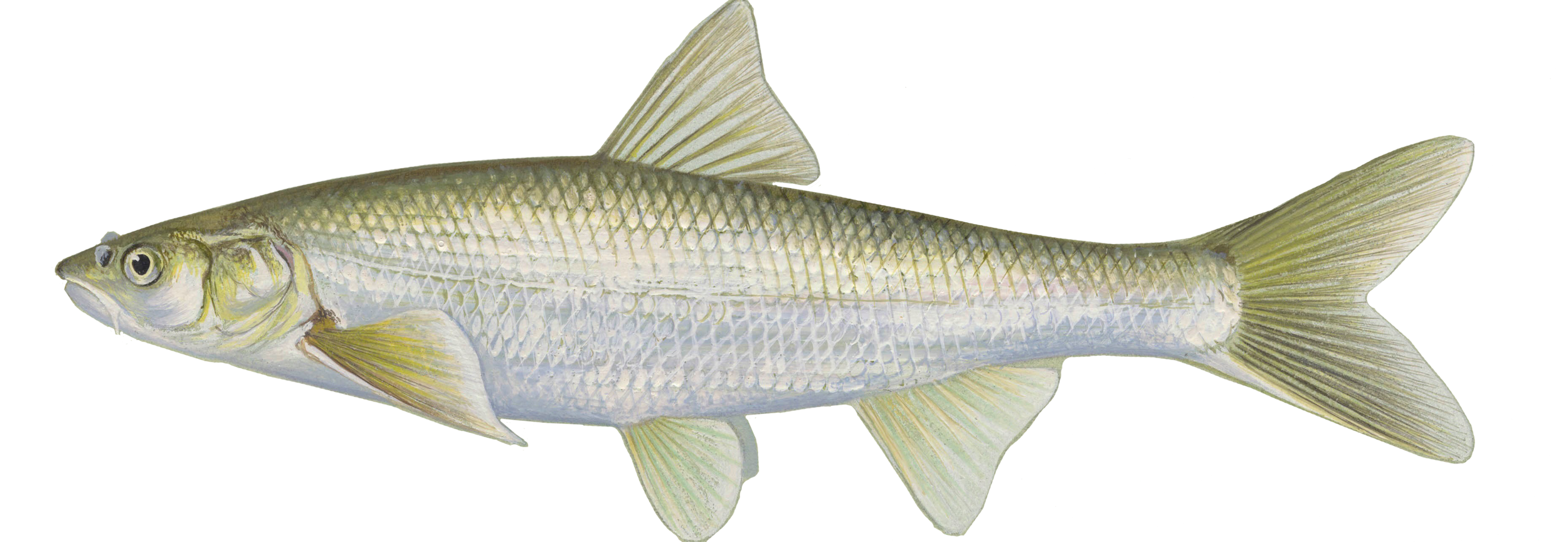
The Little Sioux River basin in northwest Iowa is the largest and most fish-diverse of the state’s western and southern river systems draining into the Missouri River. Since the 1890s, surveys have recorded 64 fish species from 19 families, with minnows being the most numerous group (20 species). The sucker and catfish families each include six species, while the sunfish family—which features Largemouth and Smallmouth Bass as well as White and Black Crappies—includes eight. Of the 64 total species, 54 are currently known or likely to inhabit the Little Sioux River and its tributaries.
*(the following list does not include all species of fish found in the Little Sioux River, but at least one from each family or genus)*
Common Fish Species
Fish Species of Greatest Conservation Need
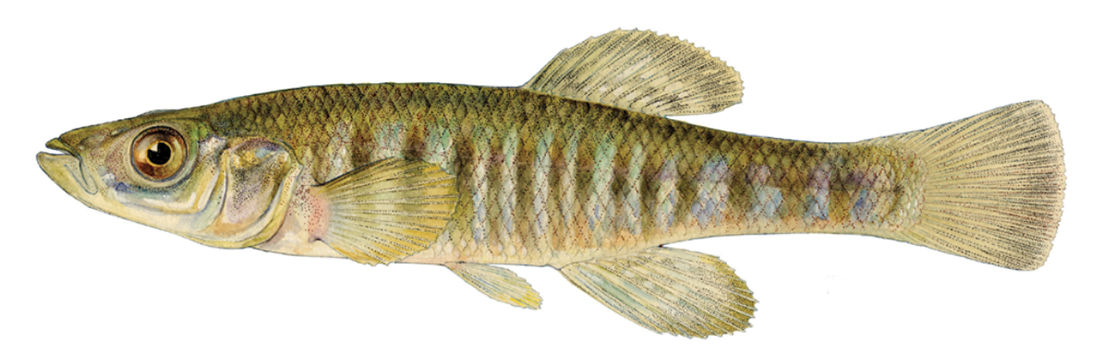
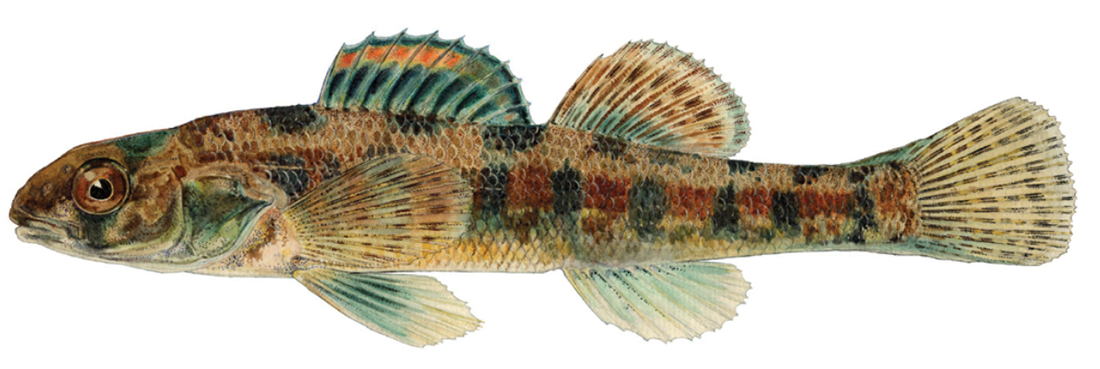
Fish Species No Longer Found
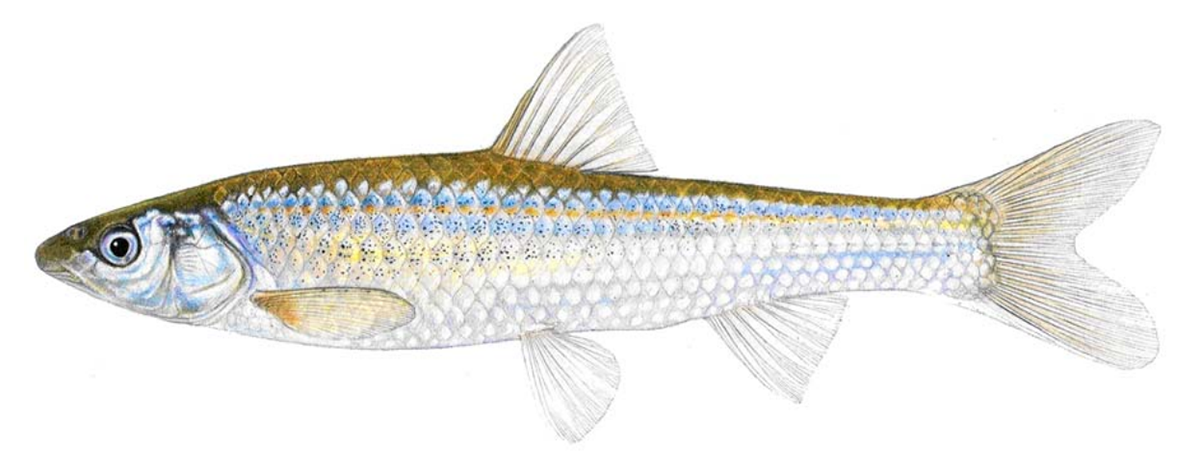
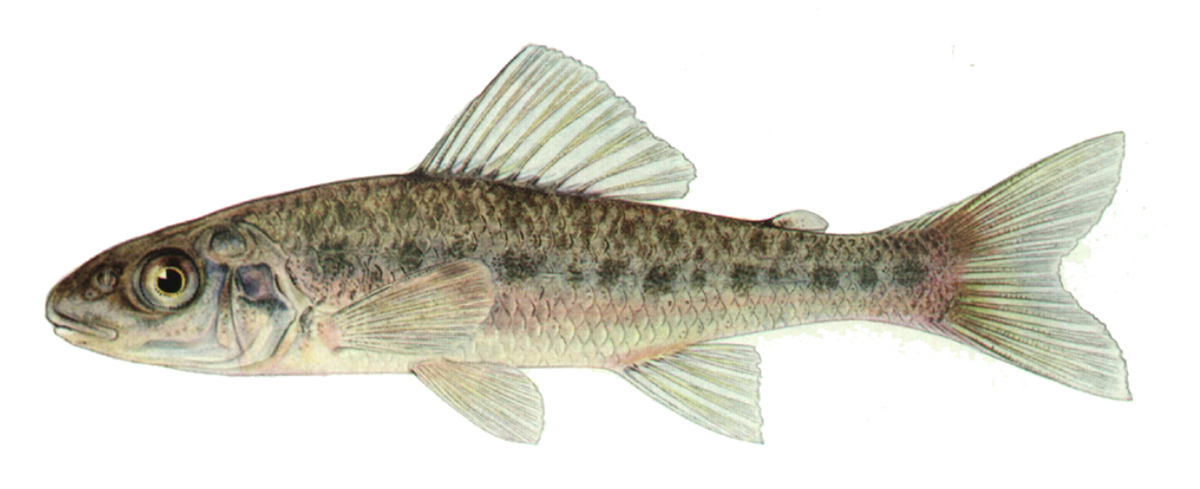
(Video: Jordan Barry)
Freshwater Mussels
Freshwater mussels are bivalve mollusks (like clams and oysters) with two shells connected by a hinge. They move slowly using a muscular “foot,” which allows them to burrow into riverbeds, anchor themselves, or slowly crawl along the substrate.
Their life cycle is complex: males release sperm into the water, which females take in to fertilize eggs in special gill chambers. The larvae, called glochidia, must attach to a host fish’s gills or fins, where they live temporarily as harmless parasites while transforming into juvenile mussels. Once mature, they detach and settle into the riverbed, anchoring themselves with fine byssal threads until strong enough to stay in place.
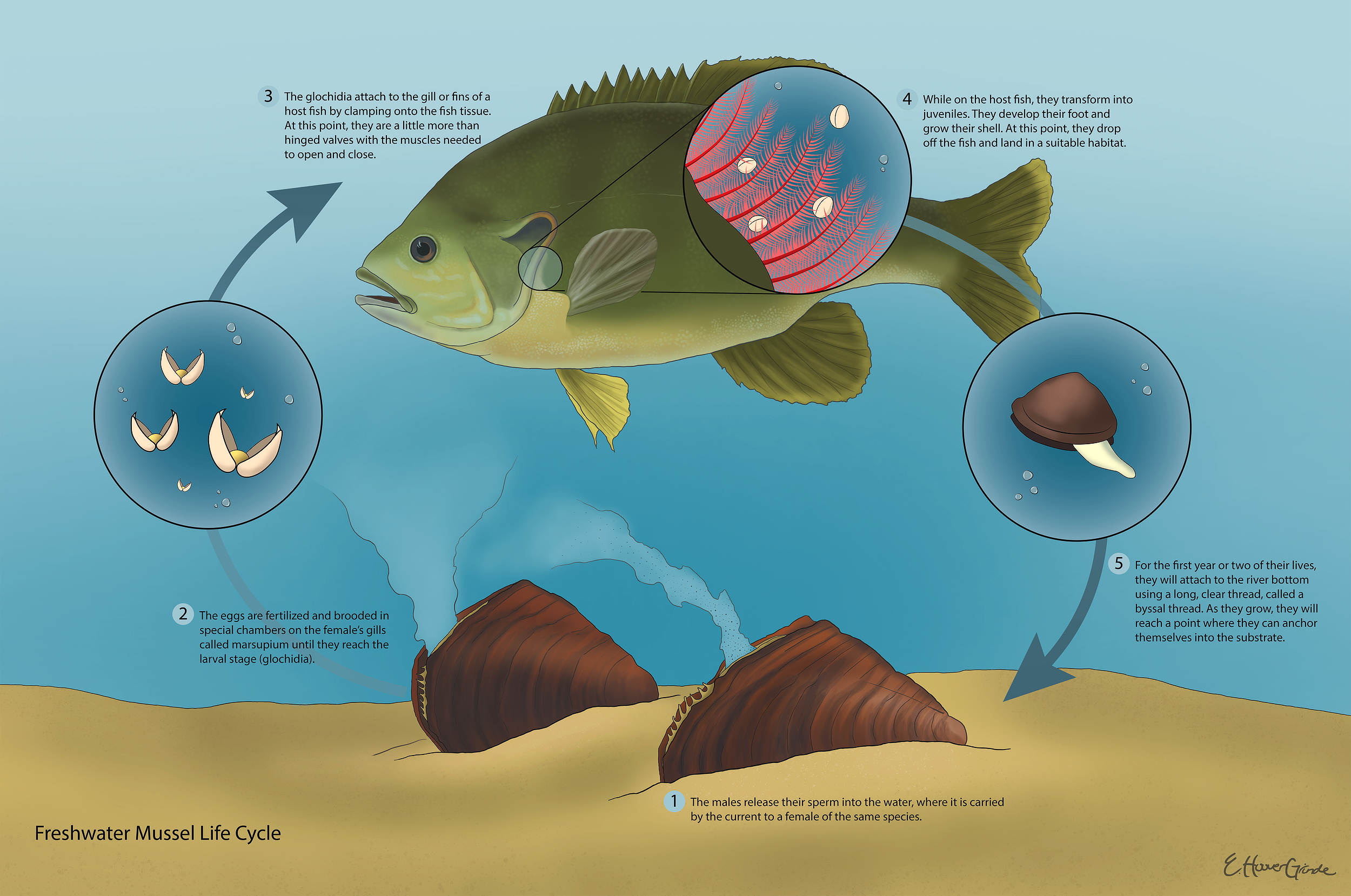
The Life Cycle of Freshwater Mussels
Some mussel species are host generalists, using many fish species, while others are host specialists that depend on just one or a few hosts and have evolved strategies to attract them.
Mussels play a crucial ecological role as filter feeders, cleaning 12–36 gallons of water per day and serving as indicators of water quality. They also stabilize riverbeds, create habitat for other organisms, and provide food and shelter for wildlife such as muskrats, raccoons, otters, and certain fish. Empty shells become microhabitats and egg-laying sites, further supporting aquatic biodiversity.
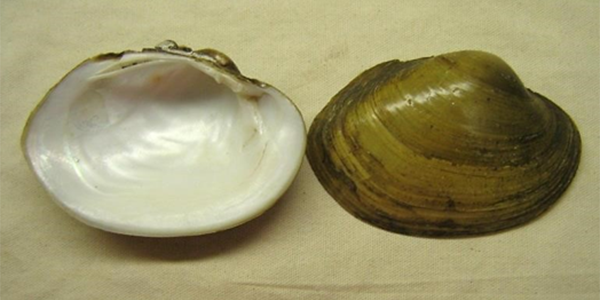
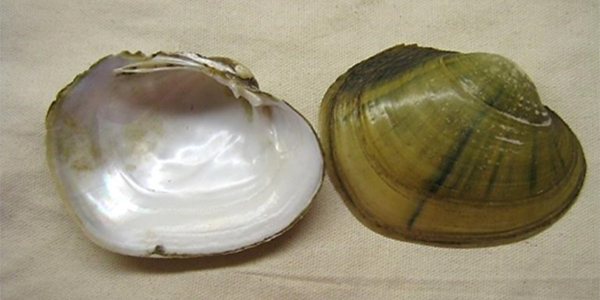
The most common freshwater mussel in the Little Sioux River is the Plains Pocketbook Mussel (Lampsilis cardium) Male (left) Female (right)
(Image: Jenn Kurth)
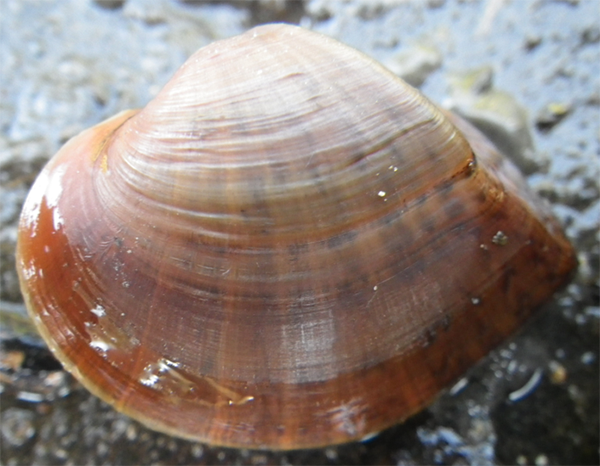
The most unusual river resident is the Deertoe Mussel (Truncilla truncata). Except for a small population in the Little Sioux River, it is only found in the southeastern part of Iowa. It uses Freshwater Drum as a fish host, so some drum with Deertoe glochidia must have made their way up the Missouri River, all the way from eastern Missouri, and gone up into the Little Sioux.
(Image: Jenn Kurth)
Historically, there were more than 20 mussel species in the Little Sioux River watershed. Now there are only 12 species found alive. In addition to the two mentioned previously, they are Giant Floater (Pyganodon grandis), Cylindrical Papershell (Anodontoides ferussacianus), White Heelsplitter (Lasmigona complanata), Mapleleaf (Quadrula quadrula), Pimpleback (Cyclonaias pustulosa), Fragile Papershell (Potamilus fragilis), Pink Papershell (Potamilus ohioensis), Lilliput (Toxolasma parvum) Pondmussel, (Sagittunio subrostratus), and Fatmucket (Lampsilis siliquoidea).
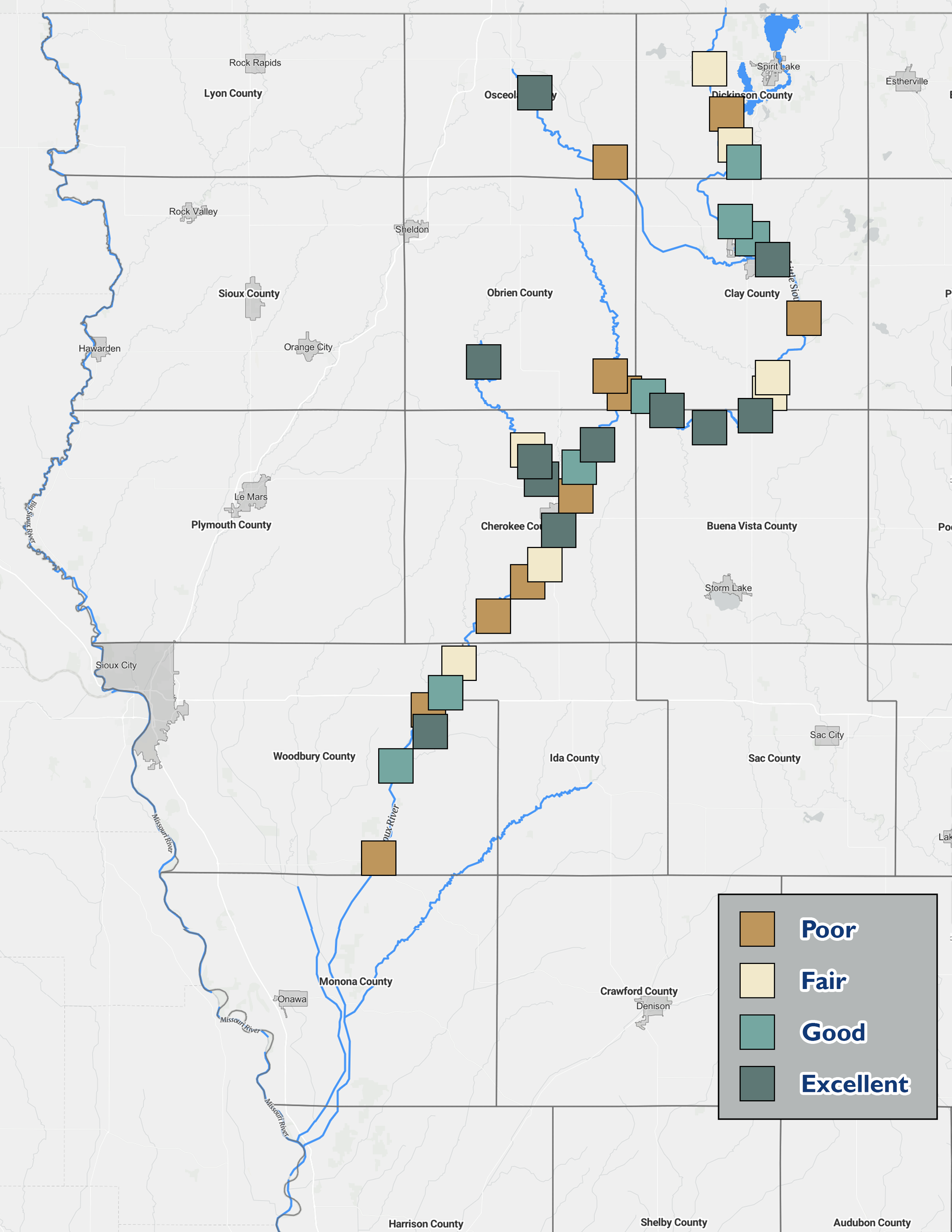
A map of Freshwater Mussel sampling efforts on the Little Sioux River.
(Map:Jenn Kurth)
Freshwater mussels are the most endangered group of animals in North America, mainly due to habitat loss and poor water quality. They thrive in stable, rocky or sandy riverbeds, but over a century of intensive agriculture has filled Iowa’s rivers with silt, degrading their habitat. Stream straightening and dams further harm mussels by blocking fish movement and creating unstable, silty pools. Mussels are also highly sensitive to ammonia pollution. Despite these challenges—along with droughts and floods—some mussel populations in the Little Sioux River continue to survive and even thrive.
References & Acknowledgements
Harlan, J.R., E.B. Speaker, and J. Mayhew. 1987. Iowa Fish and Fishing. Iowa Department of Natural Resources, Des Moines.
Bailey, Reeve M. and Marvin O. Allum. 1962. Fishes of South Dakota. Miscellaneous Publications, Museum of Zoology, No. 110. University of Michigan, Ann Arbor.
Carlander, Harriett Bell. 1954. A History of Fish and Fishing in the Upper Mississippi River. Upper Mississippi River Conservation Committee.
Delevan, G.K. 1897. Twelfth Biennial Report of the Fish Commission of the State of Iowa, 1896-1897. Iowa General Assembly, Des Moines.
This section, “Wildlife,” was originally developed and written by Dr. James Pease as, “From Forest Floors to Open Skies: The Wildlife of Land and Air,” with significant contributions by Dr. John Olson, writing about fish, and Jenn Kurth, writing about freshwater mussels, under the original title; “Life Beneath the Flowing Waters: Fish and Mussels.” Edits were made by Elizabeth C. Reetz and Chérie Haury-Artz.
This section was adapted for the web by Jordan Barry. The heading video was captured by Jordan Barry. The fish illustrations are credited to Duane Raver Jr., New York State Department of Environmental Conservation, Joe Tomelleri and Maynard Reece. The mussel life cycle diagram was prepared and designed by Emma Hoover-Grinde. The mussel images and map were provided courtesy of Jennifer Kurth.
This section along with the pages; “Ecosystems, Culture & History, The Dakota in Iowa & Geology” were prepared for Iowa Department of Natural Resources Water Trails Program under coordination by John Wenck.